Choosing the Best Raised Beds for Your Garden in 2026
Raised beds are the secret to successful British gardening. We explore the best materials, design tips, and soil mixes to help you beat the wet winters and grow fantastic food.
If there’s one thing that unites British gardeners, from the wind-battered plots of the Highlands to the sheltered courtyards of Cornwall, it’s the eternal battle with our soil. It’s either too heavy, too sandy, too chalky, or simply too wet.
Enter the raised bed.
Once the preserve of grand kitchen gardens and dedicated allotment holders, raised beds have become the backbone of modern British gardening. But as we step into 2026, the game has changed. We aren’t just nailing four planks together anymore. With the industry-wide shift to peat-free compost, new climate challenges, and a surge in innovative materials, choosing the right bed is more important than ever.
This guide is your complete handbook. We’ll strip away the jargon, look at the best materials for our damp climate, and help you build a garden that looks brilliant and fills your kitchen with fresh produce for years to come.
Please note: The content below may contain affiliate links. If you make a purchase through these links, we could earn a commission, at no additional cost to you.
Why Raised Beds? The British Perspective
Before we talk about wood versus metal, it is worth asking: why bother? For the British gardener, raised beds aren’t just a style choice; they’re a problem solver.
1. Beating the Wet Winters
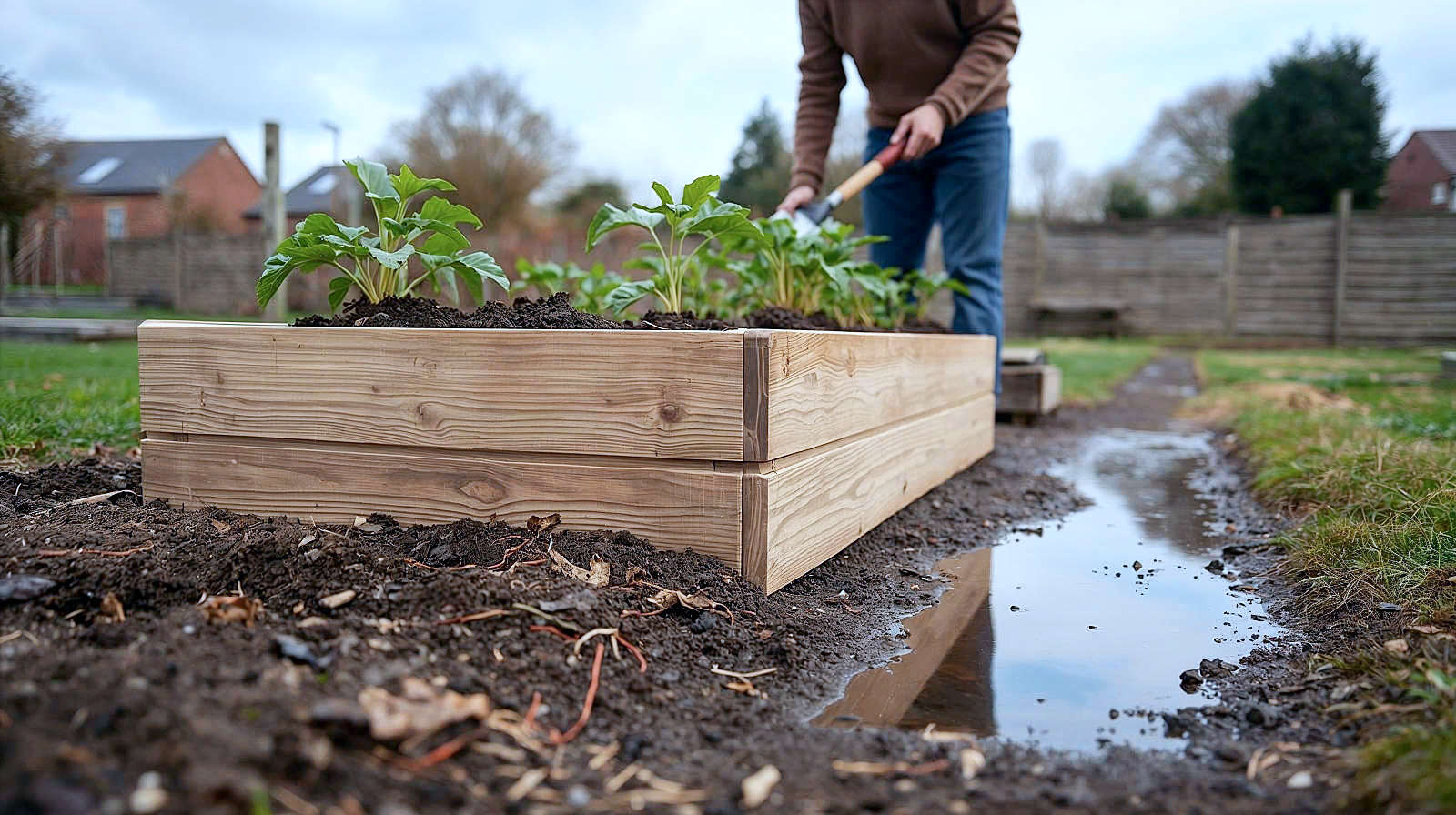
Our winters are getting wetter. In a traditional patch of ground, heavy rain can turn soil into a waterlogged soup that rots plant roots. Raised beds sit above the ground level, meaning gravity does the work for you. Excess water drains away, keeping your soil fluffy and your plants happy.
2. Warmer Soil, Earlier Harvests
Because the soil is elevated, it warms up faster in the spring sunshine than the cold ground. This is a massive advantage in the UK. It means you can plant your potatoes or sow seeds weeks earlier than your neighbour who is growing in the ground.
3. Saving Your Back (and Knees)
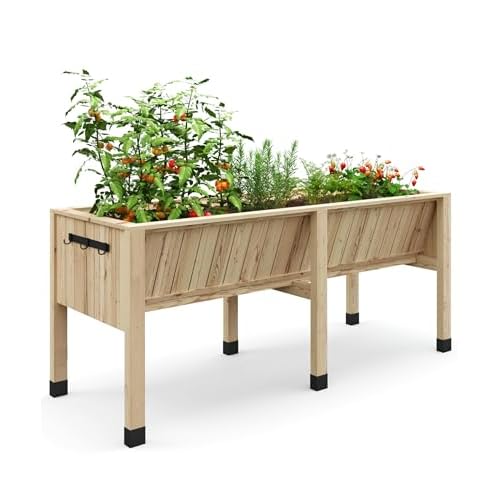
Aptliton Sturdy Wooden Raised Garden Bed with Legs – 72x26x31in, 13.7" Deep Elevated Planter Box with Detachable Liner & Hooks – Ideal for Outdoor Vegetables…
Gardening should be a joy, not a physical penance. Raising the growing level by even 30cm (a foot) can save a lot of bending.
For those with mobility issues, waist-high “manger” style beds allow you to garden from a chair or standing up, making the hobby accessible to everyone.
4. Pest Control
While no barrier will stop a determined British slug entirely, raised beds make it much harder for them. The vertical sides are easier to secure with copper tape, and they keep out carrot fly (who struggle to fly higher than 60cm).
The Great Material Debate: What to Choose in 2026?
In 2026, you have more choices than ever. But which one survives a decade of British weather?
1. Timber: The Classic Choice
Wood is natural, beautiful, and traditional. However, it rots. The key is choosing the right wood.

Wooden Raised Garden Planter Treated Fir Wood Outdoor Flower Trough Herb Vegetable Bed in 3 Sizes Bottomless Assembly Required (Small 60x60cm)
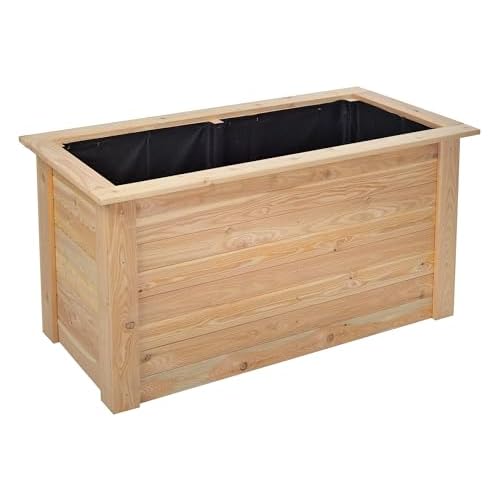
WH-Wood Raised Bed Made of Solid Larch Wood, L 146 cm x W 74 cm x H 74 cm, Herb Bed, Made in Austria

Cedar Raised Beds Natural Timber Wood ((H) 145mm x (W) 1.8m x (L) 1.8m)
- Treated Softwood (The Budget Friendly Option): This is usually pine or spruce that has been pressure-treated (tanalised) to resist rot. It’s widely available at every DIY store.
- Pros: Cheap and easy to cut.
- Cons: It will eventually rot, typically within 5–7 years.
- The Safety Question: Modern treatments are much safer than the old arsenic-based ones, but many organic gardeners still prefer to line the inside with polythene to stop chemicals leaching into the soil.
- British Larch (The Durable Native): If you can stretch your budget, Larch is fantastic. It is naturally full of resins that repel rot without needing chemical treatment. It turns a lovely silver-grey as it ages and can last 10–15 years.
- Cedar (The Premium Choice): Often imported, Cedar is the gold standard for rot resistance. It looks stunning and smells great, but in 2026, the price is steep.
2. Metal: The Modern Contender
Metal beds, often made from galvanised steel or coated aluminium, have exploded in popularity. They look sleek and industrial—perfect for modern urban gardens.


- The “Too Hot” Myth: A common worry is that metal beds will “cook” the roots in summer. In the UK, this is rarely an issue. In fact, the metal helps warm the soil in spring. Unless you are gardening in a heatwave on a south-facing concrete patio, your plants will be fine.
- Durability: A good quality powder-coated steel bed can last 20+ years. They don’t rot, warp, or get eaten by woodlice.
3. Recycled Composite: The Eco-Warrior
Made from a mix of recycled plastic and wood fibre, these look like wood but act like plastic.
- Why choose it? It is rot-proof, saves waste from landfill and requires zero maintenance; no painting, no treating.
- The Downside: It can be expensive upfront, and some cheaper versions look a bit “plasticky.”
4. Stone and Brick: The Heritage Look
For a permanent feature, nothing beats brick or local stone. It retains heat brilliantly and matches your house. However, once it’s built, you can’t move it. It requires proper foundations, or it will crack, so this is a job for a skilled DIYer or a builder.
Design and Placement: Getting it Right
You can buy the best bed in the world, but if you put it in the wrong spot, nothing will grow.
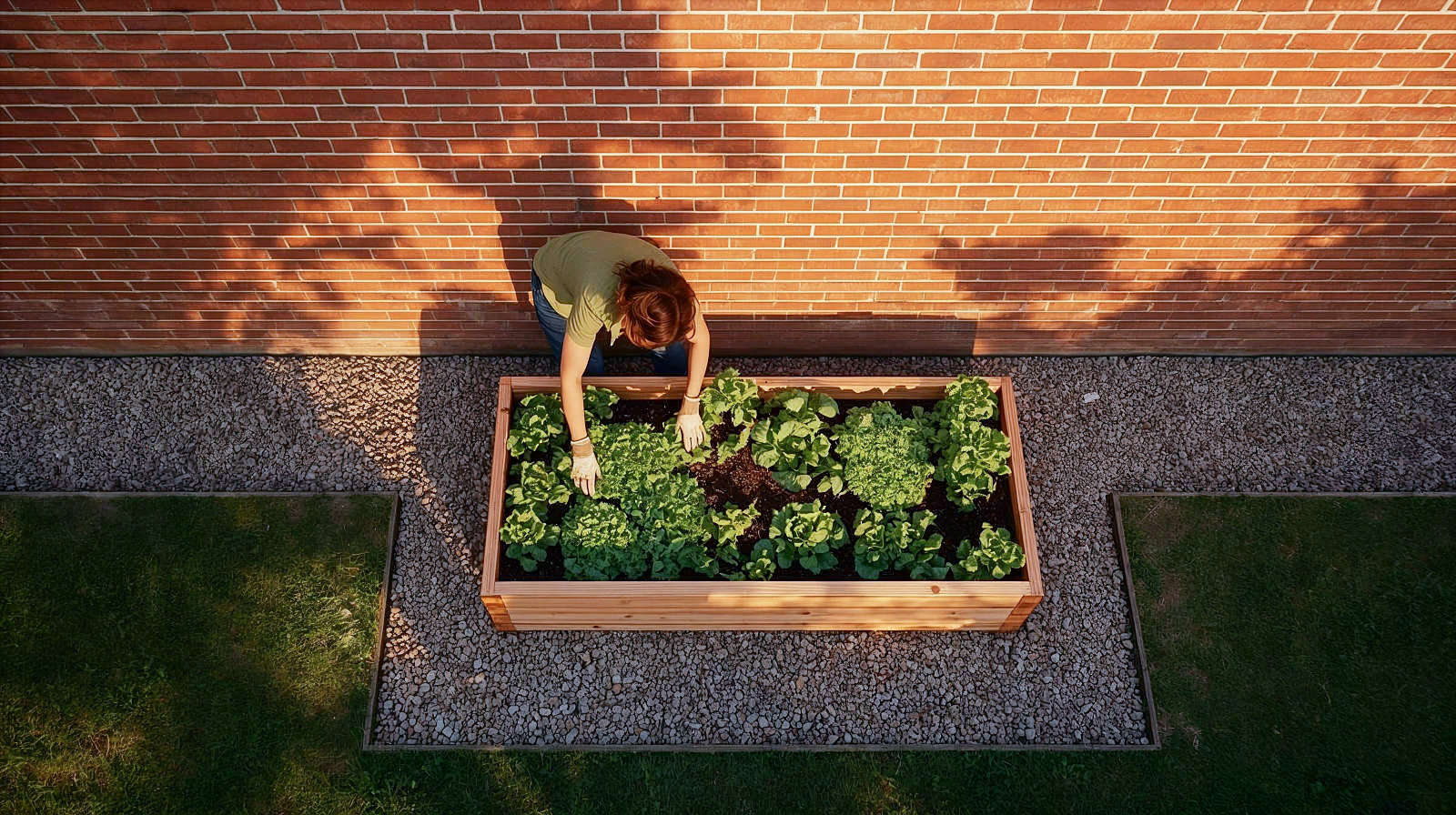
Chasing the Sun
Most vegetables need at least 6–8 hours of direct sunlight. In the UK, this usually means a south or west-facing position. Watch your garden for a day before you build. That shady corner might look empty, but it’s probably empty for a reason!
The “Arm’s Reach” Rule
Never build a raised bed wider than you can reach.
- Access from both sides: Maximum width should be 1.2 metres (4 feet). You can reach the middle from either side without stepping on the soil.
- Access from one side (e.g., against a fence): Maximum width should be 60cm (2 feet).
How Deep Should You Go?
- 15–20cm: Fine for salad leaves, herbs, and strawberries.
- 30–45cm: The “sweet spot” for most veg, including carrots and potatoes.
- 60cm+: Best for wheelchair access or if you are building on top of solid concrete.
The Soil Crisis: Gardening in a Peat-Free World
For decades, gardeners relied on peat moss to make soil fluffy and water-retentive. But digging up peat destroys precious habitats and releases carbon.


The retail market has shifted almost entirely to peat-free composts. This is great for the planet, but it requires a slightly different approach.
The Perfect Mix Recipe
Don’t just fill your raised bed with bags of multipurpose compost. It will sink, dry out too fast, and cost a fortune. Instead, use this reliable mix:
- 50% Topsoil: This gives the bed “body” and structure. You can buy bags of “screened topsoil” (which means no big stones).
- 40% Peat-Free Soil Improver/Compost: Look for mixes containing wood fibre, coir (coconut husk), or green waste. This provides nutrients and holds water.
- 10% Grit or Sharp Sand: Essential for drainage.
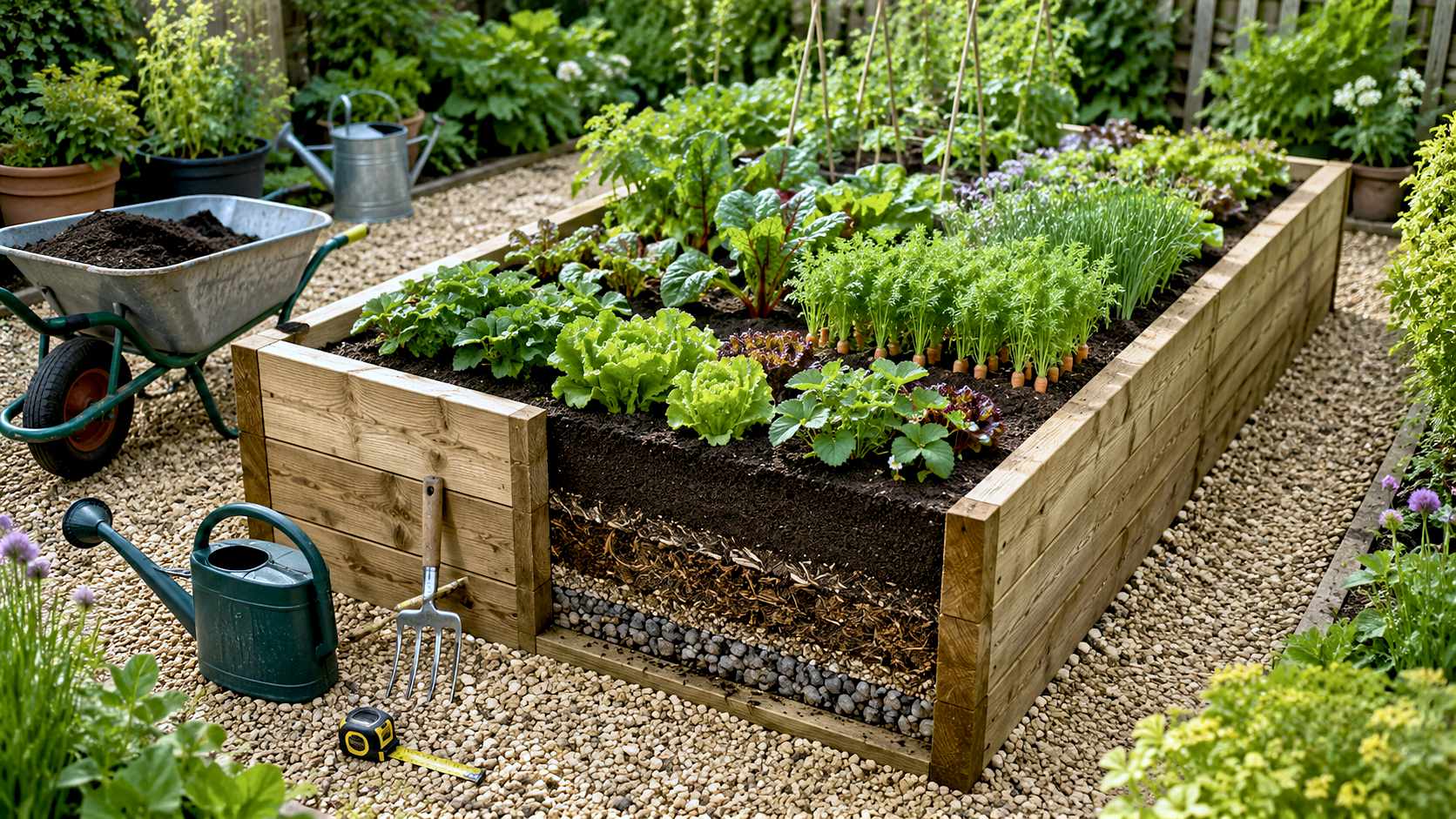
The “Lasagna” Method (Filling Deep Beds Cheaply)
If you have a tall bed (60cm+), filling it with soil is expensive. Use the “Lasagna” or Hugelkultur method:
- Bottom Layer: Old logs, branches, and cardboard.
- Middle Layer: Leaves, grass clippings, and straw.
- Top Layer (top 20-30cm): Your high-quality soil mix. Over time, the bottom layers rot down, feeding the plants above and holding moisture like a sponge.
What to Grow in 2026?
With your beds built and filled, what goes in? Here are the top trends for the British kitchen garden this year.
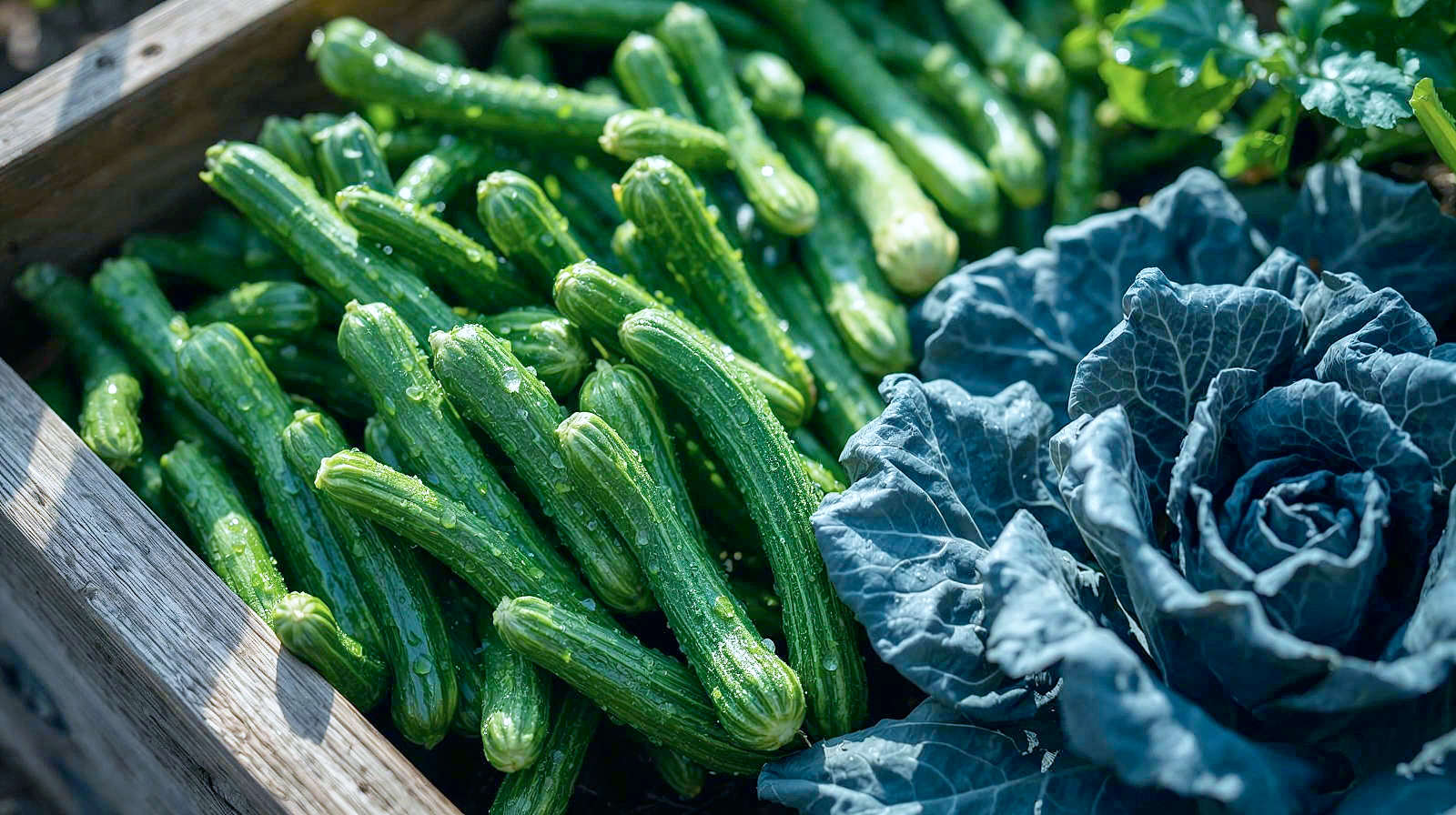
1. “Tabletop” Vegetables
Breeders have been working hard to create dwarf varieties that pack a punch. Look for “patio” courgettes that don’t sprawl, and compact runner beans (like ‘Hestia’) that don’t need tall poles. These are perfect for raised beds where space is at a premium.
2. The Blackcurrant Comeback
Blackcurrants are incredibly hardy and love our climate. New varieties are sweeter and can be eaten fresh like blueberries. A bush in the corner of a raised bed will give you fruit for jam and cordials for a decade.
3. The “Hungry Gap” Heroes
One of the best uses for a raised bed is winter gardening. Because the soil stays warmer, you can grow crops to harvest when the shops are expensive.
- Leeks: Plant in summer, harvest all winter.
- Kale: The ultimate survivor. ‘Cavolo Nero’ looks beautiful and tastes great.
- Winter Salad: Hardy lettuces and mustards that can survive a frost.
Maintenance: Keeping Your Beds Alive
Raised beds are low maintenance, not no maintenance.
- Feed the Soil: Because you’re packing plants in tightly, they’ll eat up nutrients fast. Every spring, add a 5cm layer of well-rotted manure or homemade compost to the top. Don’t dig it in; let the worms do the work.
- Watering: Raised beds drain well, which means they dry out faster in summer. Consider installing a “soaker hose” (a porous pipe that sweats water) under the soil surface. It saves water and delivers it straight to the roots.
- Wood Care: If you have timber beds, check them annually. You can paint them with an eco-friendly preservative (like a water-based one) to extend their life, but make sure it is safe for food crops.
Conclusion: A Garden for the Future
Choosing the right raised bed is about more than just buying some wood or metal. It is about understanding your own garden: the sun, the rain, and how you like to work.
Whether you choose the rustic charm of British Larch, the sleek lines of modern steel, or the permanence of brick, a raised bed is an investment in your health and your dinner plate. In 2026, with better materials and smarter soil choices, there’s never been a better time to get growing.
So, grab your spade (and maybe a cup of tea), and get started.
Further Reading and Resources
- Royal Horticultural Society (RHS): www.rhs.org.uk – The gold standard for British gardening advice.
- The National Trust: www.nationaltrust.org.uk – Inspiration from historic kitchen gardens.
- Gardeners’ World: www.gardenersworld.com – Practical tips and video guides.
- Garden Organic: www.gardenorganic.org.uk – Experts in peat-free and chemical-free growing.
Subscribe for more
Get the latest posts delivered monthly so you never miss an article. Sign up below: