The Ultimate White Chocolate Macadamia Nut Cookie Recipe Guide: Sweet & Satisfying
Forget boring biscuits. Discover how to bake the ultimate American-style White Chocolate Macadamia Nut Cookie at home. We break down the best British ingredients, the “chill” method, and troubleshooting tips for a perfect, chewy bake every time.

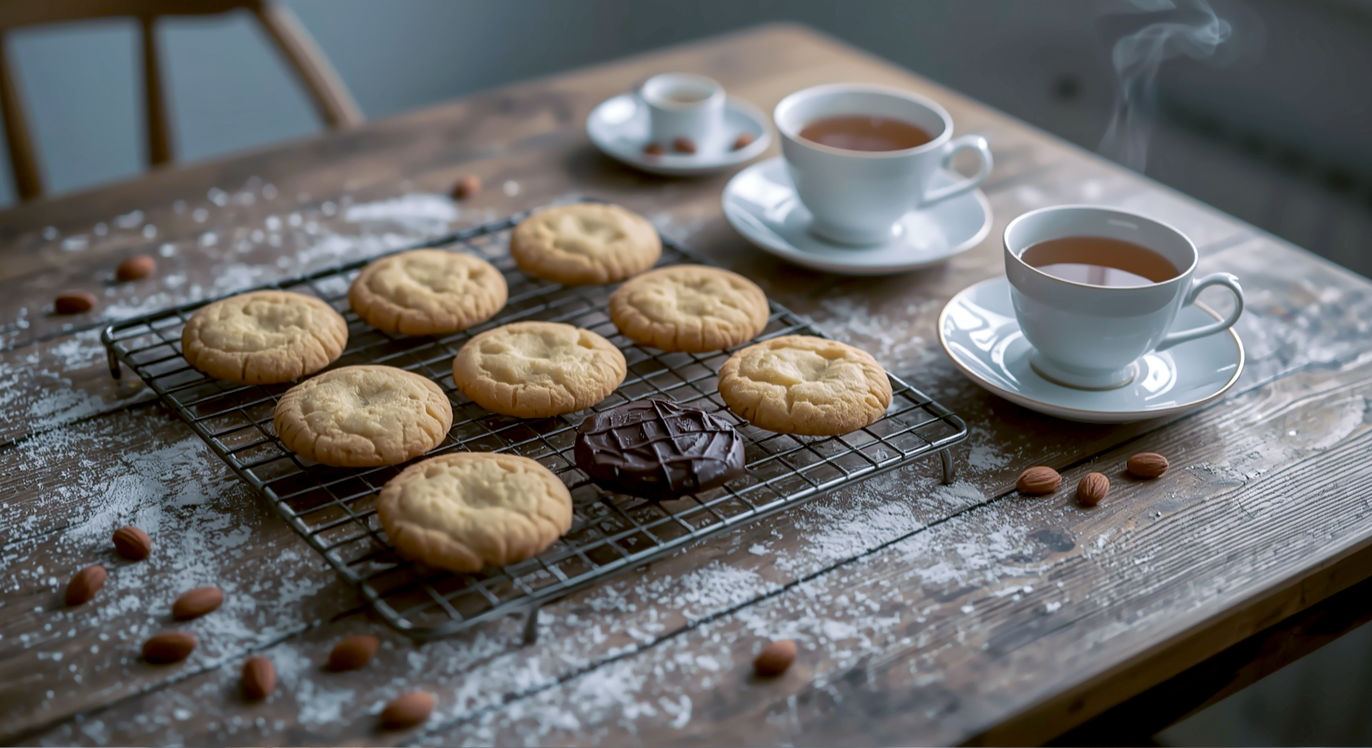
Picture the scene. It’s a rainy Tuesday afternoon. You’ve got the kettle on, and you’re rummaging through the cupboard for something sweet. Usually, we Brits reach for a trusty Digestive, a no-nonsense Hobnob, or perhaps a Custard Cream if we’re feeling fancy.
But sometimes, you crave something different. You don’t want a “snap”; you want a “bend.” You want something indulgent, chewy, soft, and packed with chunks of goodies. You want the White Chocolate Macadamia Nut Cookie.
This isn’t just a biscuit; it’s an event. It’s the kind of treat that smells like a bakery and tastes like luxury. It combines the creamy sweetness of white chocolate with the buttery crunch of macadamia nuts, the “Queen of Nuts.” While it started life across the pond in America, this cookie has firmly planted its flag on the British high street and in our home ovens.
In this guide, we aren’t just going to give you a recipe (though we will give you the best one). We’re going to explore the history, the science, and the secrets behind creating the perfect cookie. We’ll look at why British butter makes a difference, why your choice of sugar matters, and how to stop your cookies from turning into flat puddles on the baking tray.
Grab a cuppa. Let’s talk cookies.
Please note: The content below may contain affiliate links. If you make a purchase through these links, we could earn a commission, at no additional cost to you.
1. A Tale of Two Nations: Biscuits vs. Cookies
To understand this treat, we have to understand the difference between a British biscuit and an American cookie. It’s a topic that has caused many arguments over the years!
The British Biscuit
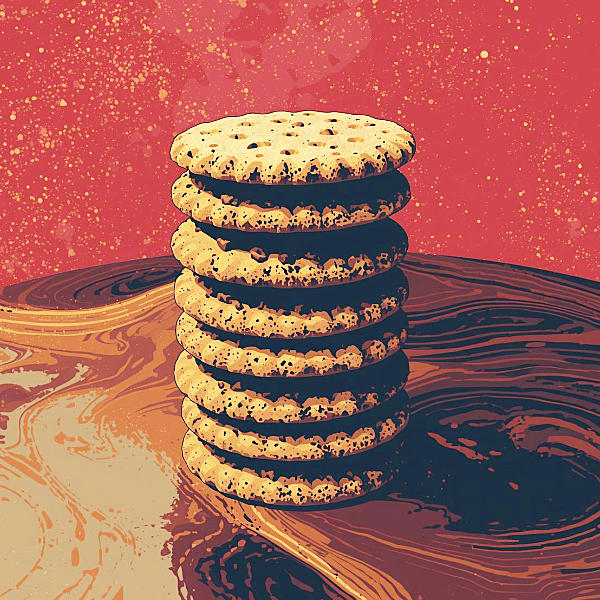
Traditionally, British biscuits are dried out. The word comes from the Latin bis coctus, meaning “twice-cooked.” They’re designed to last a long time in a tin. They’re usually crisp, hard, and not too sweet. Think of a Rich Tea, it’s practically a structural engineering material.
The American Cookie
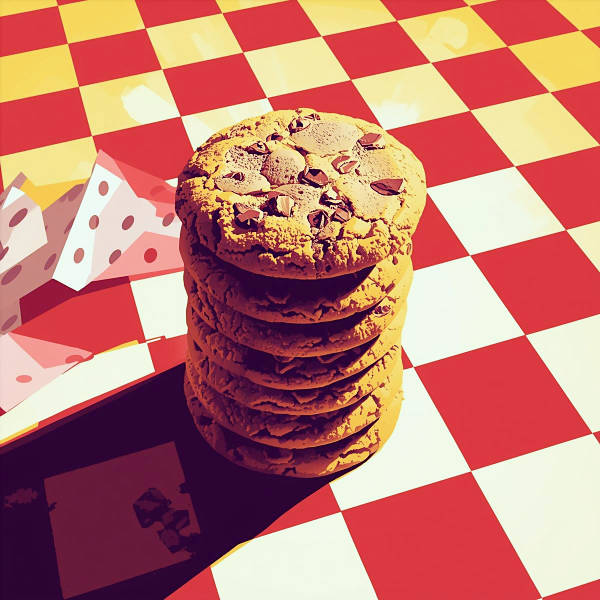
The American-style cookie, which rose to fame in the UK in the 1990s with the arrival of shopping centre icons like Millie’s Cookies, is different. It has a higher fat and sugar content, and crucially, more moisture. It’s meant to be soft in the middle and slightly chewy on the edges.
The White Chocolate Macadamia Nut Cookie is the crown jewel of this style. It was popularised by American brands like Subway and Otis Spunkmeyer, becoming a global favourite. In the UK, it represents a shift in our snacking habits, moving from the modest biscuit to the decadent “coffee shop” treat.
2. The Holy Trinity of Ingredients
You can’t build a house without bricks, and you can’t make a world-class cookie without the right ingredients. Because this recipe relies on so few things, quality really matters. Let’s break down the shopping list for a supermarket run.
The Fat: Butter is King
In America, recipes often call for “shortening” (vegetable fat). In the UK, we’re blessed with some of the best dairy in the world.
- Use Real Butter: Margarine or spreads won’t cut it here. They contain too much water, which creates steam and makes the cookie ‘cakey’ rather than chewy.
- Salted vs. Unsalted: Most chefs say “unsalted,” but salted butter is brilliant in these cookies. The salt cuts through the intense sweetness of the white chocolate. If you use unsalted butter, add a good pinch of sea salt to the dough.
- The Temperature: This is vital. Your butter needs to be “room temperature.” This means soft enough to squish with your thumb, but not melted. If it’s oily, it’s too warm.
The Sugars: The Chewy Secret
Why do we use two types of sugar? It’s all about chemistry.
- White Caster Sugar: This gives you crispy edges. It creates that golden ring around the outside of the cookie.
- Soft Light Brown Sugar: This contains molasses. Molasses absorbs moisture from the air (it’s hygroscopic—a fancy word meaning water-loving). This keeps the cookie soft and chewy in the middle.
- The Ratio: For the ultimate texture, we use more brown sugar than white sugar.
The Flour: Plain vs. Self-Raising
In the UK, we usually have both in the cupboard, right?
- Use Plain Flour: We want to control the rise ourselves.
- Avoid Self-Raising: It has baking powder already added, and often too much of it, which makes the cookie puffy and cake-like. We want dense and chewy, not fluffy.
3. The Stars of the Show: White Chocolate & Macadamias
This flavour combination is a classic because it balances textures. But these ingredients can be tricky.
The Macadamia Nut: The Luxury Crunch
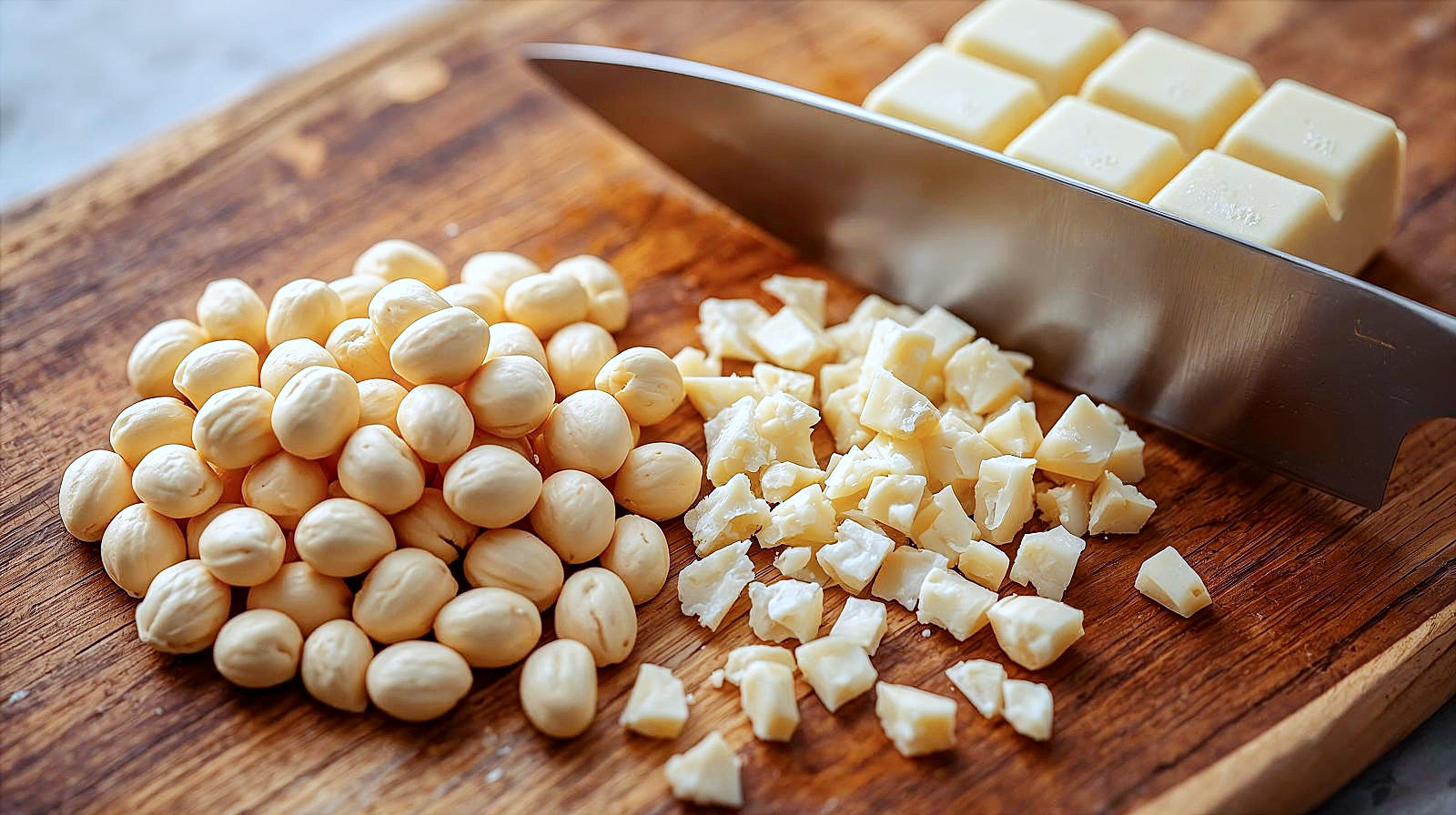
Macadamia nuts are native to Australia but are grown in places like Hawaii and South Africa. They’re famous for being the hardest nut to crack (literally, it takes 300 lbs of pressure per square inch!).
- Why they work: They’re incredibly buttery and fatty. Unlike walnuts or almonds, which can be dry/tannic, macadamias are creamy.
- Buying tips: In the UK, they’re expensive. You’ll usually find them in the baking aisle or the snack nut aisle. Top Tip: If you buy salted roasted macadamias from the snack aisle, just rub some of the salt off. It actually tastes amazing in the cookie.
- Preparation: Toast them. Put your nuts in a dry pan for 3 minutes (your macadamia nuts, silly) before adding them to the dough. This wakes up the oils and makes them taste nuttier (stop it).
The White Chocolate: The Sweet Debate
Is white chocolate real chocolate? Technically, yes, if it contains cocoa butter.
- Cocoa Butter is Key: Cheap white chocolate (often found in the “baking chocolate” section of supermarkets) uses vegetable oil instead of cocoa butter. It tastes waxy and doesn’t melt properly.
- Brands to look for: Look for Milkybar (very sweet, nostalgic), Green & Black’s (high quality, vanilla notes), or Lindt.
- Chunks vs. Chips: American recipes use “chips” (those little teardrops). In the UK, chocolate chips are often designed not to melt. For the ultimate cookie, buy a bar of white chocolate and chop it into rough chunks. You want some big pools of melted chocolate and some tiny shards.
4. The Science of the Bake: How to Avoid a Kitchen Nightmare
Baking is chemistry that you can eat. You don’t need a lab coat, but you do need to follow a few rules to stop your cookies from failing.
The “Creaming” Method
Most recipes start with “cream the butter and sugar.” This doesn’t just mean “mix them.” It means beating them until they are pale and fluffy.
- What’s happening? You are punching millions of tiny air bubbles into the butter using the sugar crystals. These bubbles will expand in the oven, giving the cookie lift.
- The Egg Stage: When you add the egg, you are creating an emulsion. You are forcing water (egg white) and fat (butter) to mix. If you rush this, the mix looks curdled (like scrambled eggs). Add the egg slowly!
The Gluten Trap
Flour contains protein. When wet and mixed, it forms gluten. Gluten is stretchy—it’s great for bread, but bad for cookies.
- The Rule: Once you add the flour, stop mixing as soon as the white dust disappears. If you keep mixing, you activate the gluten, and your cookies will be tough and rubbery. Treat the dough gently.
The Chill Factor (The Most Important Step!)
This is the step everyone wants to skip. Don’t skip it. After you make the dough, put it in the fridge for at least 1 hour (24 hours is even better).
- Why?
- Flavour: The flour has time to absorb the liquid/egg fully. The flavours meld together (like a stew that tastes better the next day).
- Structure: The butter hardens again. If you put room-temperature dough into a hot oven, the butter melts instantly, and the cookie spreads into a flat, greasy pancake. Chilled dough holds its shape longer, giving you that thick, soft centre.
5. White Chocolate Macadamia Nut Cookie Recipe Guide
Here’s a blueprint for the perfect batch. We’re using metric measurements because weighing ingredients is far more accurate than using cups.
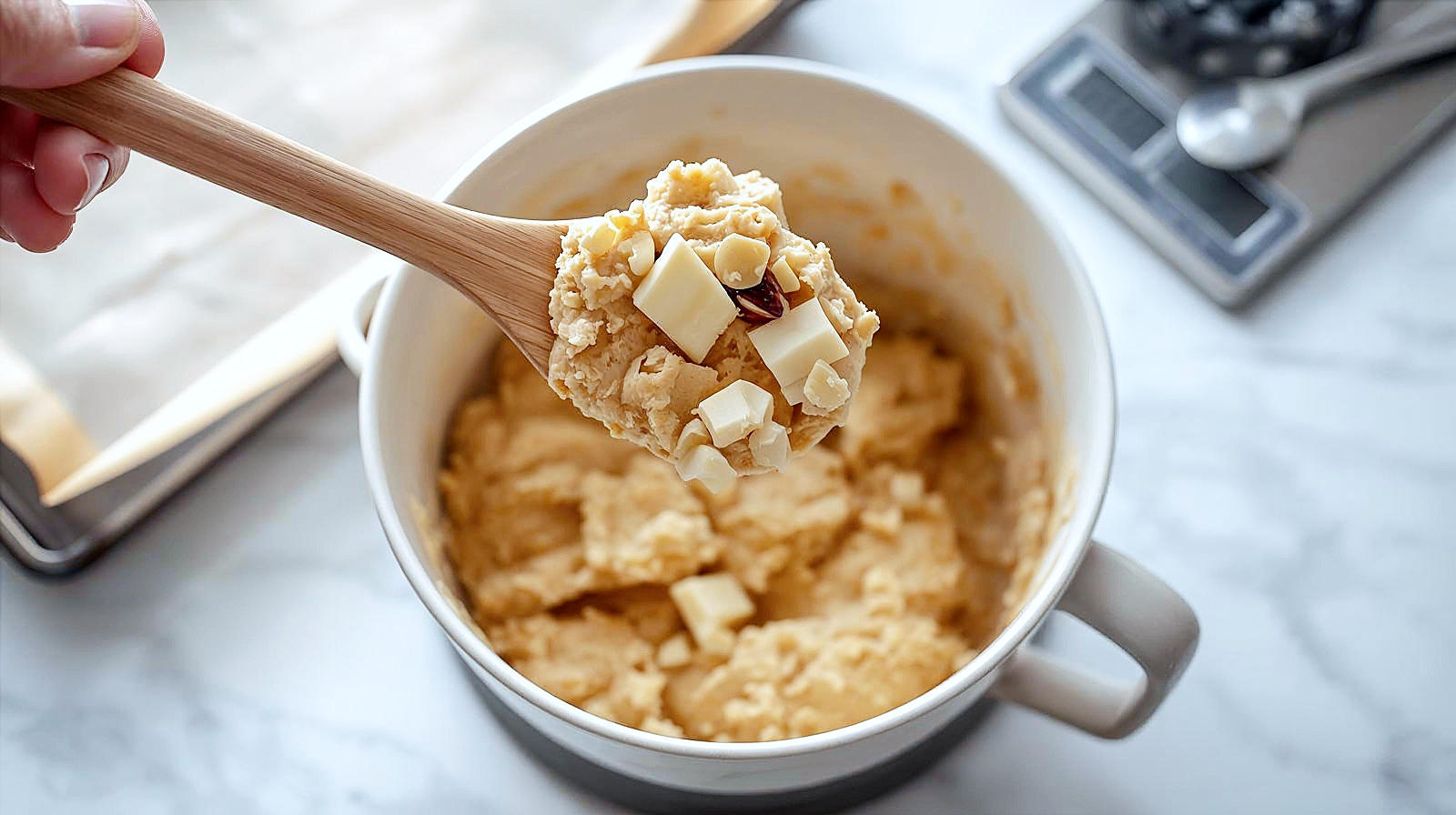
Prep time: 15 mins (+ 1 hour chilling) | Bake time: 10-12 mins | Makes: 12 large cookies
Ingredients
- 115g Salted Butter (softened)
- 80g Light Brown Soft Sugar
- 80g White Granulated or Caster Sugar
- 1 Large Egg (free-range is best)
- 1 tsp Vanilla Extract (use the real stuff, not “essence”)
- 190g Plain Flour
- 1/2 tsp Bicarbonate of Soda (not baking powder!)
- 1/4 tsp Sea Salt flakes (optional, if using unsalted butter add 1/2 tsp)
- 100g Macadamia Nuts (roughly chopped)
- 150g White Chocolate (chopped into chunks)
The Method
- Toast the Nuts: Briefly toast your chopped macadamias in a dry frying pan over medium heat for 2-3 minutes until they smell amazing. Let them cool.
- Cream the Butter: In a large bowl, beat the butter and both sugars with a wooden spoon or electric mixer. Go for about 3-4 minutes until it looks pale and creamy.
- Add the Liquid: Beat in the egg and the vanilla extract. Mix until smooth and glossy.
- Dry Ingredients: Sieve the flour and bicarbonate of soda into the bowl. Add the salt.
- The Gentle Fold: Mix the flour in until it’s almost gone.
- Add the Goodies: Tip in the cooled nuts and white chocolate chunks. Fold them in until just combined.
- Chill: This is the hard part… waiting. Cover the bowl with cling film and fridge it for at least 1 hour.
- Preheat: Turn your oven to 170°C (150°C Fan / Gas Mark 3). Note: This is lower than many recipes. White chocolate burns easily, so a lower, slower bake keeps them blond and beautiful.
- Scoop: Roll the dough into balls about the size of a golf ball (approx 50g each). Place them on baking trays lined with parchment paper. Give them plenty of space—they will spread!
- Bake: Pop them in the oven for 10 to 12 minutes.
- The Wobble Test: They’re done when the edges are golden brown, but the middle still looks slightly undercooked and wobbly. Take them out now! They will continue to cook on the hot tray as they cool. If they look fully cooked in the oven, they will be hard as rocks when cool.
- Cool: Leave them on the tray for 10 minutes, then move to a wire rack.
6. Common Pitfalls (And How to Fix Them)
Even the best bakers have bad days. Here is a troubleshooting guide for when things go wonky.
“My cookies are flat puddles!”
- Cause: Your butter was too warm, or you didn’t chill the dough.
- Fix: Pop the baking tray in the fridge for 10 minutes before baking the next batch.
“My cookies are like cakes!”
- Cause: Too much egg, or you used Self-Raising flour by mistake.
- Fix: Next time, measure your flour precisely (don’t scoop the bag, weigh it).
“The white chocolate turned brown/black.”
- Cause: The oven was too hot. White chocolate caramelises (and burns) much faster than dark chocolate because of the high sugar/milk content.
- Fix: Lower the oven temperature by 10-20 degrees and bake for a few minutes longer.
“They’re hard and crunchy.”
- Cause: You overbaked them.
- Fix: Trust the “wobble.” Take them out when you think they aren’t quite ready.
7. Dietary Adjustments: Cookies for Everyone
We believe no one should miss out on a macadamia moment.
Gluten-Free
This cookie converts very well to gluten-free.
- Swap: Replace the Plain Flour with a high-quality Gluten-Free Plain Flour Blend (like Doves Farm).
- Tip: Add 1/4 teaspoon of Xanthan Gum if your flour blend doesn’t have it. It mimics gluten and stops the cookie from crumbling into dust.
Vegan / Plant-Based
- Butter: Use a solid block of plant-based butter (like Flora Plant Butter). Don’t use tub margarine.
- Egg: Replace the egg with a “flax egg” (1 tablespoon ground flaxseed mixed with 3 tablespoons water, left to sit for 5 minutes).
- Chocolate: Check the label! Many white chocolates contain milk powder. Look for specific vegan white chocolate brands (like Moo Free or supermarket own-brand “Free From” sections).
8. Serving and Storage: The British Way
So, you have a tray of perfect, warm, golden cookies. What now?
The Pairing
In the US, the classic pairing is a glass of cold milk. While that works, the British palate often prefers something hot to contrast the sweet, creamy cookie.
- Tea: A strong cup of Builder’s Tea (Yorkshire Gold or PG Tips) works well. The tannins in the tea clean the palate after the fatty macadamias.
- Coffee: A flat white or latte is the natural habitat of this cookie. The coffee bitterness balances the white chocolate sugar rush.
Storage
If (and it’s a big if) you don’t eat them all immediately:
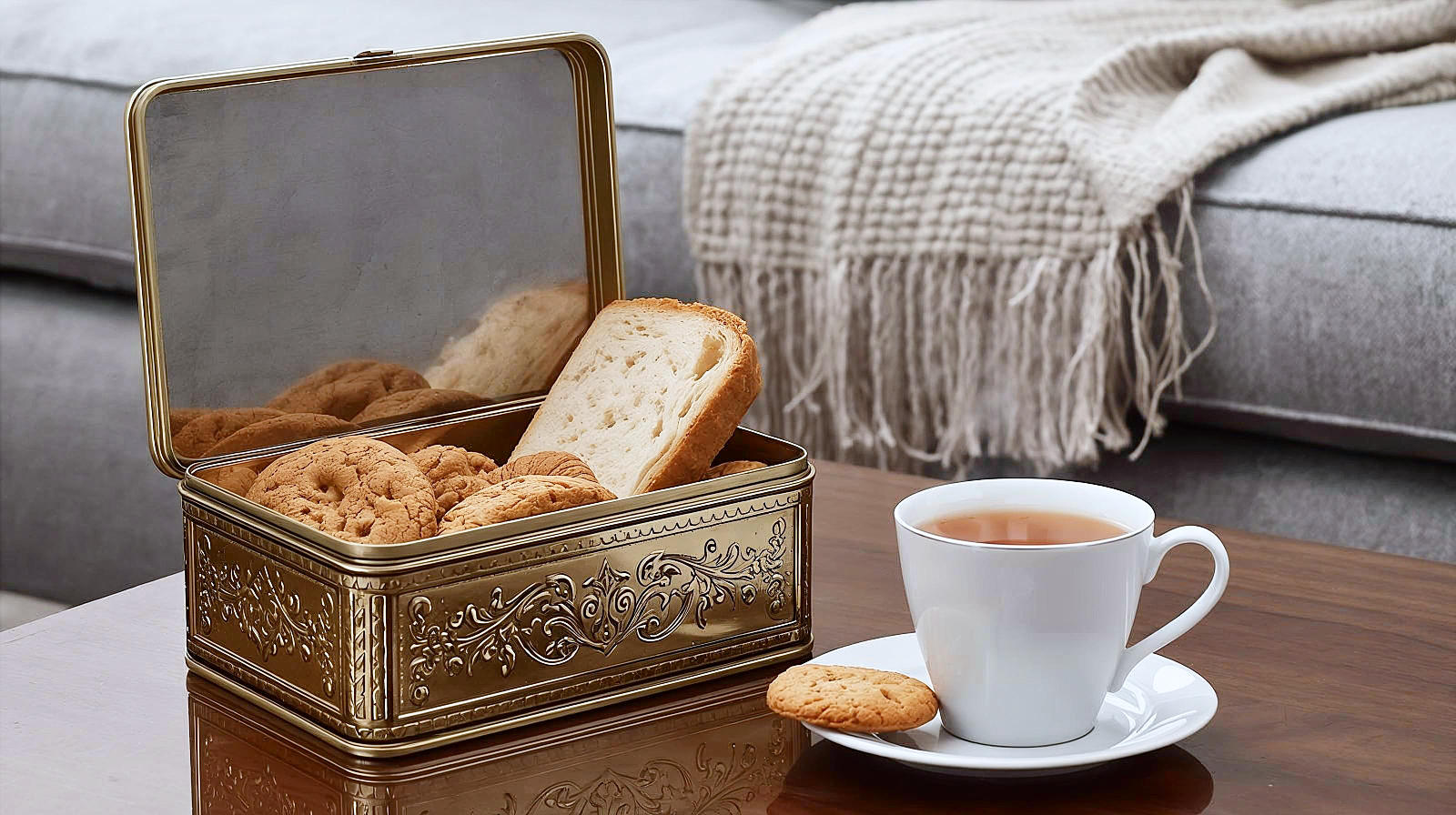
- The Tin: Store them in an airtight container (a classic biscuit tin) at room temperature. They will stay soft for 3-4 days.
- The Bread Hack: If your cookies start to go hard after a few days, put a slice of white bread in the tin with them. The cookies will absorb moisture from the bread and become soft again. It sounds mad, but it works!
- Freezing: You can freeze the raw dough balls! When you want a cookie, just bake them straight from frozen (add 2 extra minutes to the baking time).
9. Conclusion: A Modern Classic
The White Chocolate Macadamia Nut Cookie might not have the centuries of history that the shortbread petticoat tails of Scotland or the Welsh cakes of the valleys have. It is a newcomer, a loud and sweet American arrival.
But it’s earned its place in our hearts (and on our hips). It represents a shift in British baking, a move towards texture, indulgence, and the joy of mixing contrasting flavours. It is the perfect marriage of the creamy, the crunchy, the salty, and the sweet.
Whether you’re baking for a school bake sale, a Sunday treat, or just because you survived a rainy Tuesday, this cookie delivers. So, turn on the oven, get the butter out of the fridge, and treat yourself. You’ve earned it.
Further Reading & Resources
- BBC Good Food: For more on British baking techniques and ingredient swaps.
- The Soil Association: To learn about organic British dairy and flour standards.
- Nigella Lawson: The queen of indulgent home baking—her books are essential for understanding the “pleasure principle” of food.
- Delia Online: For mastering the absolute basics of baking science.
Subscribe for more
Get the latest posts delivered monthly so you never miss an article. Sign up below: