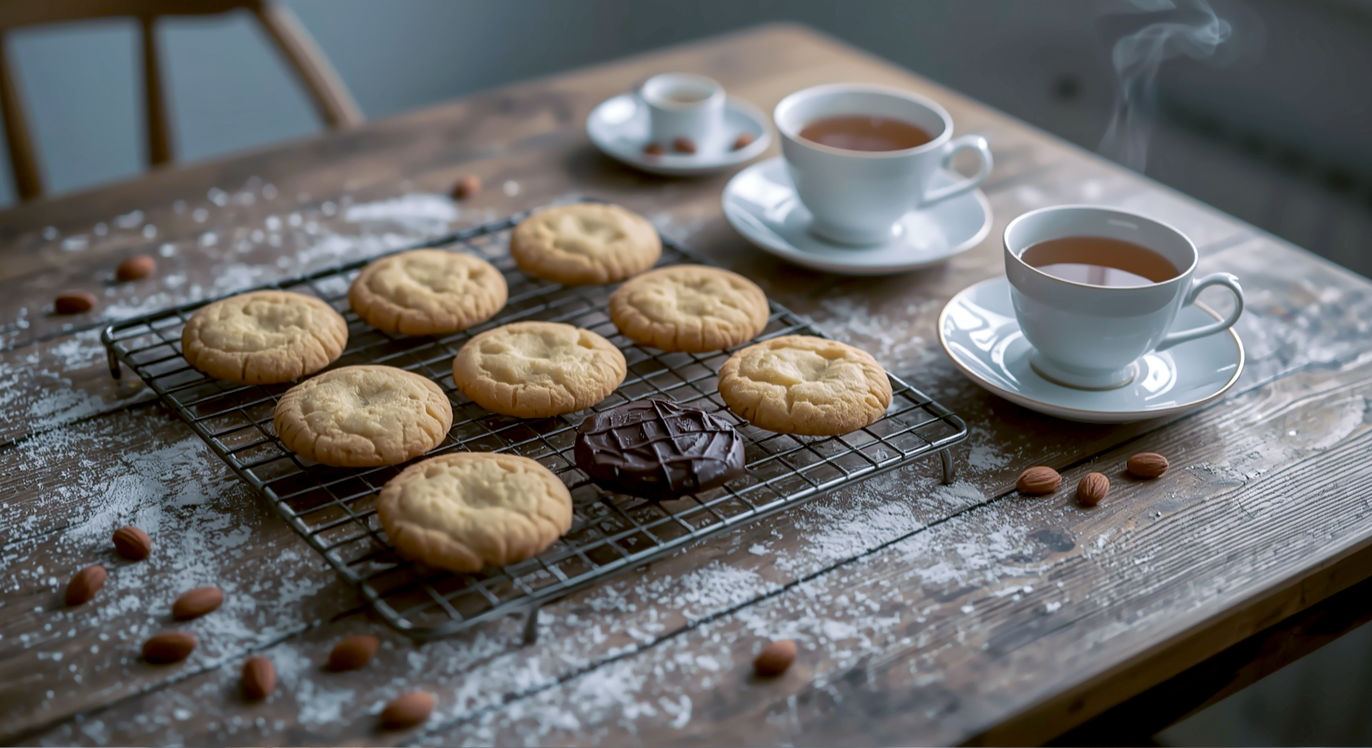
The Holy Grail of Baking: Fluffy & Crumbly Scones for the Perfect Afternoon Tea
Struggling with flat, tough scones? Discover the secrets to baking the ultimate British classic. We cover the history, the science, and the definitive recipe for fluffy, golden scones every time. Perfect for your next Afternoon Tea.

There are few things more quintessentially British than the scone. It’s the humble hero of the afternoon tea stand, sitting proudly between the delicate finger sandwiches and the fancy patisserie. A good scone is a thing of beauty: risen high like a little tower, golden on top, and boasting a “break” in the middle that promises a fluffy interior.
But for something made from such simple ingredients (flour, butter, sugar, and milk), scones can be surprisingly tricky. We’ve all been there. You pull a tray from the oven only to find rock-hard bullets that could shatter a window, or flat, sad discs that taste of nothing but baking powder.
This guide is going to change that. We aren’t just giving you a recipe; we’re going to explore the history, the science, and the soul of the scone. Whether you put the jam on first or the cream, by the end of this read, you will be the master of your own tea time.
Please note: The content below may contain affiliate links. If you make a purchase through these links, we could earn a commission, at no additional cost to you.
The Great Scone Debates: Pronunciation and Geography
Before we even touch a bag of flour, we have to address the elephant in the room. Or rather, the two elephants. How do you say it, and how do you eat it?
The Rhyme of the Land
Ask a room full of people how to pronounce “scone,” and you’ll start an argument that could last until dinner.
- Rhymes with “Gone”: This is the most common pronunciation across the North of England and Scotland. It’s short, sharp, and practical.
- Rhymes with “Bone”: Often associated with the South and sometimes perceived as a bit “posh,” though plenty of working-class folks in the South say it this way too.
There’s a famous little poem that sums it up:
“I asked the maid in dulcet tone, to order me a buttered scone. The silly girl has been and gone, and ordered me a buttered scone.”
The truth? Neither is wrong. The dictionary accepts both. But for the record, the Queen apparently rhymed it with “gone.”
The Cream Tea Wars: Devon vs. Cornwall
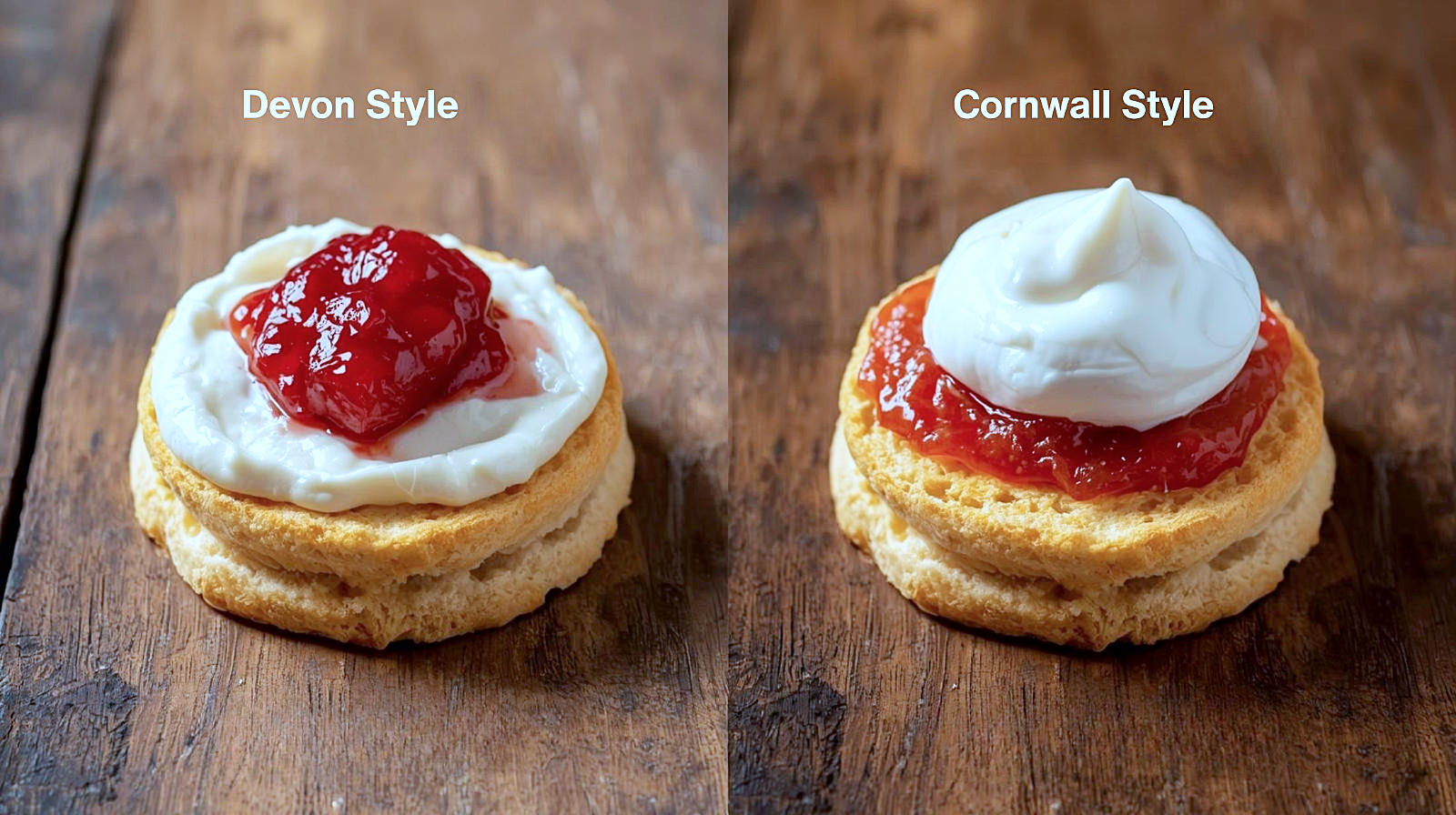
The second battle is about construction. A “Cream Tea” is a meal consisting of tea, scones, clotted cream, and jam. But the order matters depending on which county you are standing in.
- The Devon Way: You split the scone, spread the clotted cream on the bottom like butter, and then dollop the jam on top. Their argument? The cream is the dairy, replacing the butter, so it goes on first.
- The Cornish Way: You split the scone, spread the jam first, and then crown it with a massive spoonful of clotted cream. Their argument? You can’t spread cream on warm bread without it melting, and the cream is the treat, so it should sit proudly on top.
Both are delicious. Just don’t mix them up if you’re visiting the West Country, or you might get a stern look from a local!
A Potted History: From Oats to Ovens
The scone wasn’t always the light, oven-baked treat we know today. If you went back in time to 16th-century Scotland, a “scone” was a very different beast.
The Bannock Connection
Originally, scones were made with oats and baked on a griddle (a flat iron plate) over an open fire. They were large, round cakes, the size of a dinner plate, known as “bannocks.” Once cooked, they were cut into triangular wedges.
The word “scone” might come from the Stone of Destiny (or Stone of Scone), the place where Scottish kings were crowned. Or, it might come from the Dutch word ‘schoonbrot’, meaning fine white bread.
The Baking Powder Revolution
The game-changer happened in the mid-19th century with the invention of baking powder. Before this, bakers relied on yeast or beating air into eggs to make things rise. Baking powder allowed for “chemical leavening.” This meant you could mix a dough and bake it immediately, and it would puff up beautifully in the oven.
This coincided with the rise of Afternoon Tea. Anna, the Duchess of Bedford, gets the credit for this tradition. In the 1840s, dinner wasn’t served until 8:00 PM, but lunch was at noon. The Duchess would get a “sinking feeling” around 4:00 PM. She asked for tea and bread and butter in her room. Soon, she invited friends, the menu expanded to include scones, and a national obsession was born.
The Science of the Scone: How It Works
You don’t need a chemistry degree to bake, but understanding why things happen helps you avoid disasters. Let’s break it down simply.
The Flour: Keeping it Tender
We want a scone to be “short.” In baking terms, “short” means crumbly and tender, like shortbread. If a scone is chewy like bread, it’s wrong.
Bread relies on gluten, stretchy strands that form when flour meets water and gets kneaded. For scones, we hate gluten. We want to avoid it. This is why recipes tell you not to overmix. The more you work the dough, the tougher your scone becomes. We use self-raising flour because it already has the raising agents mixed in perfectly.
The Fat: Cold is Gold
Butter does two jobs. First, it adds flavour. Second, it creates the texture. When you rub the butter into the flour, you’re coating the flour particles in fat. This stops the liquid from reaching the flour too quickly, which prevents that tough gluten from forming.
Crucially, the butter must be cold. When the cold butter hits the hot oven, it melts and releases steam. This steam pushes the dough up, creating little flaky pockets inside. If your butter is soft and oily before it goes in the oven, you’ll get a flat, greasy scone.
The Liquid: The Acid Test
Milk is standard, but buttermilk or slightly soured milk is the secret weapon. Baking powder needs moisture and heat to work, but baking soda (often found in self-raising flour mixes) loves acid. The slight tang of buttermilk reacts with the raising agents to give an extra “whoosh” of lift. It also makes the crumb incredibly tender.
The Main Event: The Ultimate Scone Recipe
This recipe is designed for reliability. It produces a scone that is tall, golden, and ready for jam. We are using metric measurements because baking is a science, and cups are just too inaccurate for perfection.
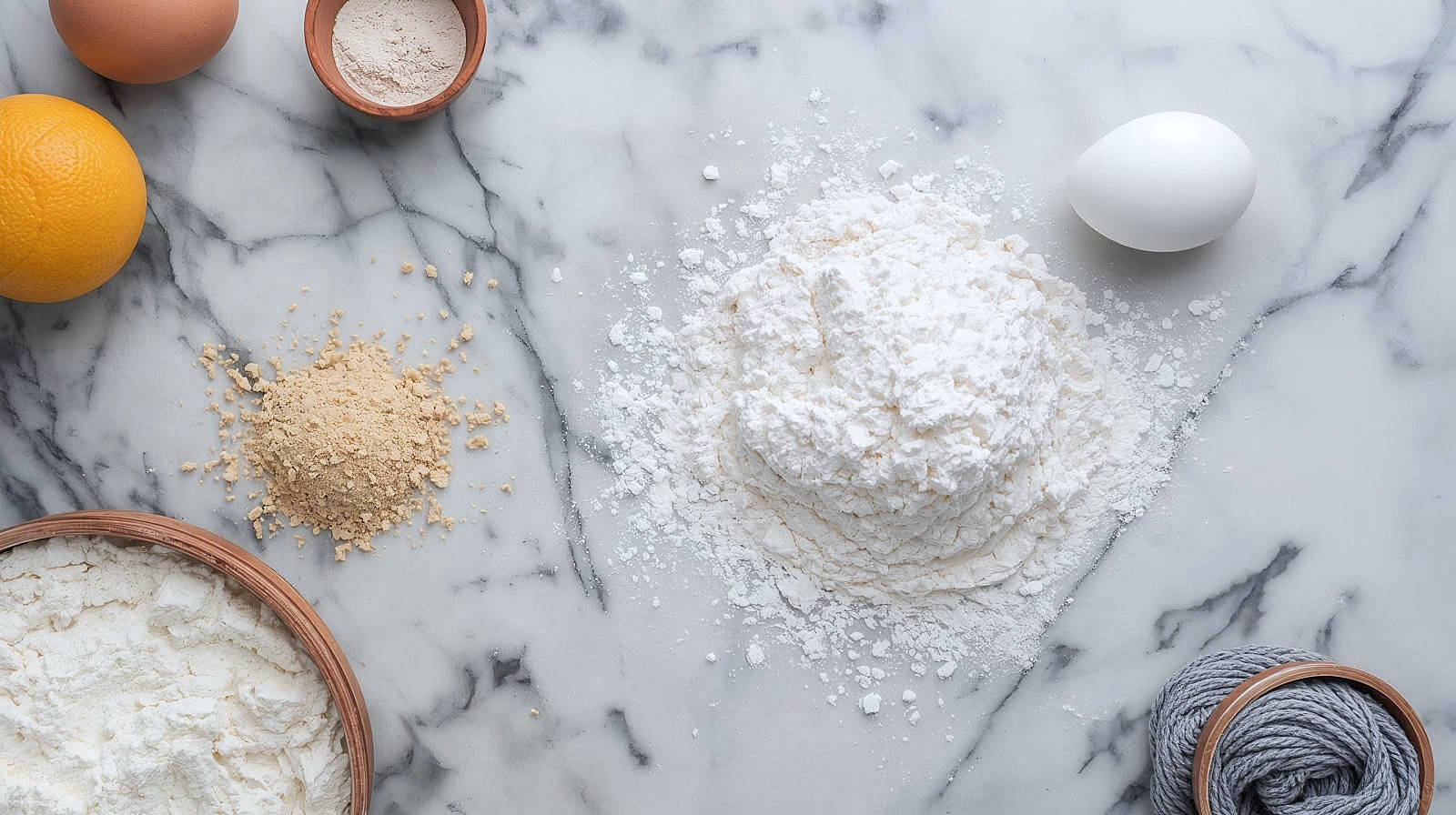
Equipment You Need
- A large mixing bowl
- A baking tray (lined with baking paper)
- A round cutter (about 5cm or 6cm diameter)
- A pastry brush
- A cooling rack
Ingredients
- 350g Self-Raising Flour (plus extra for dusting)
- 1 tsp Baking Powder (for extra insurance)
- 85g Unsalted Butter, cold and cubed
- 3 tbsp Caster Sugar
- 175ml Whole Milk (or buttermilk if you can find it)
- 1 tsp Vanilla Extract (optional, but lovely)
- A squeeze of lemon juice (if using normal milk—it cheats the buttermilk effect)
- 1 Egg, beaten (for the glaze)
- Pinch of Salt
Method: Step-by-Step
Step 1: The Prep
Preheat your oven to 220°C (200°C Fan / Gas Mark 7). This is hot! Scones need a fierce blast of heat to rise quickly before the structure sets. If the oven is too cool, they will spread out rather than shoot up.
Step 2: The Dry Mix
Sift the flour, baking powder, and salt into your large bowl. Sifting puts air into the mix, and air is our friend. Stir in the sugar.
Step 3: The Rubbing In (The Most Important Bit)
Add the cubes of cold butter. Using your fingertips (not your warm palms), gently rub the butter into the flour. Pick up a bit of flour and butter, slide your thumb across your fingers, and let it fall back into the bowl. Keep going until the mixture looks like fine breadcrumbs. If you shake the bowl and big lumps of butter come to the top, rub them in. Do not rush this.
Step 4: The Liquid
Warm the milk slightly in the microwave (lukewarm, not hot) and add the vanilla and lemon juice. Make a well (a hole) in the middle of your flour crumbs. Pour in the liquid.
Step 5: The Light Touch
Grab a butter knife (a round-ended table knife). Stir the mixture gently. As soon as it starts to clump together, stop. Tip the messy pile onto a lightly floured surface. It will look ragged. This is good. Use your hands to gently bring it together into a dough. Do not knead it like bread. Just fold it over itself 2 or 3 times until it’s smoothish.
Step 6: The Pat and Cut
Pat the dough down with your hands until it is about 2.5cm to 3cm thick. Do not use a rolling pin if you can help it; flattening it too much ruins the rise. Dip your cutter in flour. Press down firmly into the dough. CRITICAL RULE: Do not twist the cutter! If you twist, you seal the edges of the dough, and the scone won’t rise evenly. Just push down, then lift up.
Step 7: The Glaze and Bake
Place the rounds on the baking tray. Re-roll the scraps gently to cut more out (the last one is always a bit wonky, that’s the baker’s treat). Brush the tops with the beaten egg. Try not to let the egg drip down the sides, or it will glue the scone shut and stop it rising. Pop them in the hot oven for 10–12 minutes. They should be risen and golden brown.
Step 8: The Cool
Remove them and put them on a wire rack. Cover them loosely with a tea towel. This keeps the steam in slightly, ensuring the crust is soft, not crunchy.
Variations on a Theme
Once you have mastered the plain scone, the world is your oyster. Here are classic British twists:
The Fruit Scone
The most common variation. Add 50g–75g of sultanas or raisins to the dry mix after you’ve rubbed in the butter. Some people soak the fruit in hot tea for 30 minutes beforehand to make them plump (dry them off before adding to the dough).
The Cheese Scone (Savory)
Take out the sugar and the vanilla. Add 1 tsp of mustard powder and a pinch of cayenne pepper to the flour. After rubbing in the butter, stir in 100g of strong grated cheddar. Sprinkle more cheese on top before baking. These are incredible with soup.
The “Cheat” Lemonade Scone
This is a famous hack, popular in Australia and the UK. It uses just three ingredients:
- Self-raising flour
- Double cream
- Lemonade (fizzy sprite-type pop) You mix equal parts (by volume) of cream and lemonade, then fold in flour until it forms a dough. The fizz in the lemonade provides the lift, and the cream provides the fat. It’s surprisingly good!
Troubleshooting: Why Did My Scones Fail?
Even the best bakers have bad days. Here is how to fix common scone disasters.
Problem: They didn’t rise.
- Cause 1: Your baking powder was old. Check the date!
- Cause 2: You twisted the cutter, sealing the edges.
- Cause 3: You rolled the dough too thin. Start thick to end up tall.
Problem: They’re tough and chewy.
- Cause: You overworked the dough. Remember, gluten is the enemy here. Handle the dough as little as possible. Think of it as handling a delicate baby.
Problem: They’re lopsided.
- Cause: Uneven rolling or a bent cutter. Or, you brushed egg wash down one side, gluing it down.
Problem: They’re dry.
- Cause: Overbaked. Check them at 10 minutes. Or, not enough liquid in the dough. The dough should be slightly sticky, not dry and dusty.
The Perfect Accompaniments
You have baked the perfect scone. Now, how do you serve it?
The Cream
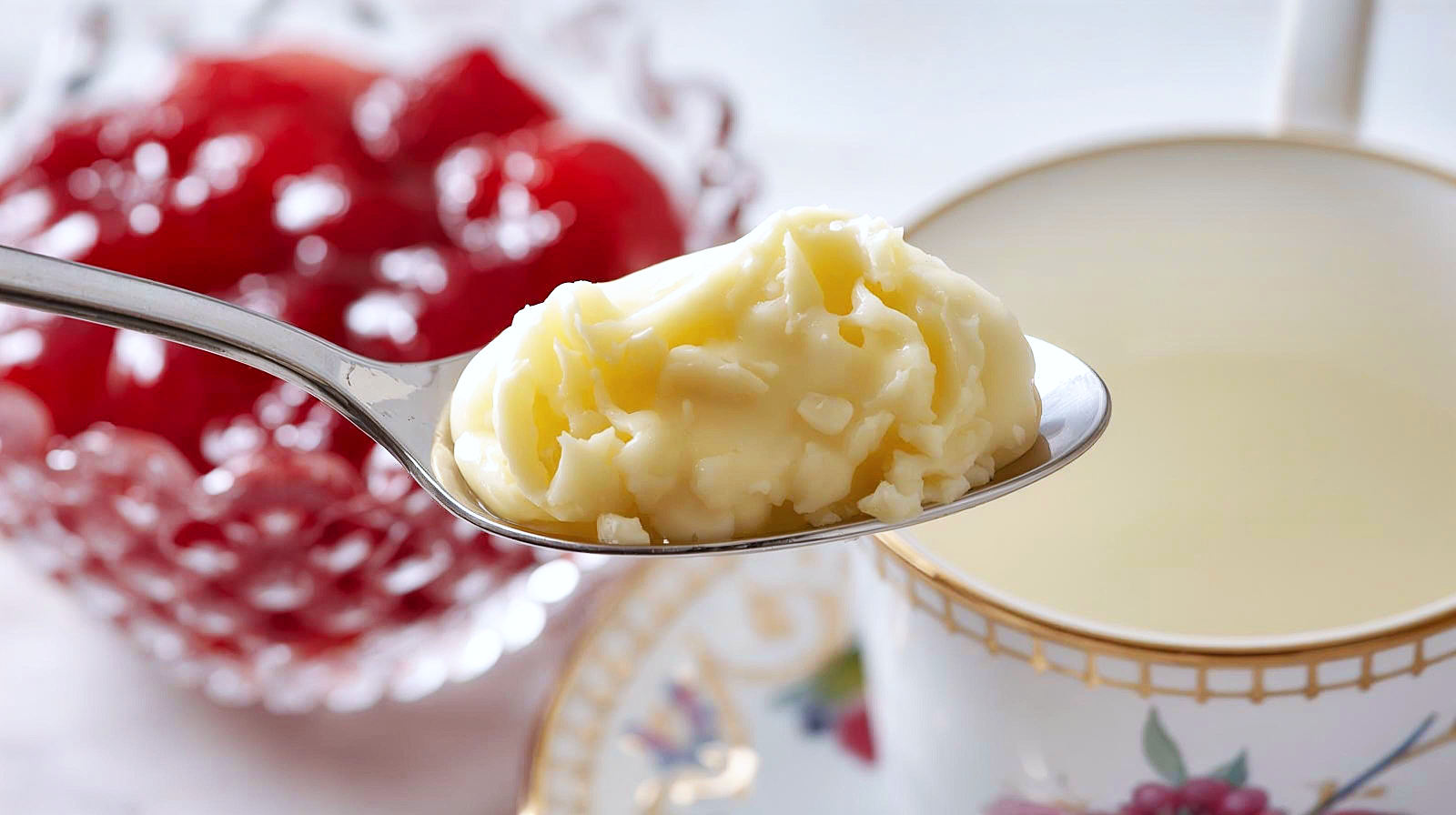
In the UK, it has to be Clotted Cream. This is not whipped cream. It is heavy cream that has been heated gently and left to cool slowly. A golden “crust” forms on top. It is thick, silky, and tastes nutty and rich. Rodda’s is the most famous brand, you’ll see their tubs with the golden crust in supermarkets everywhere.
If you can’t find clotted cream, whip heavy cream with a little mascarpone cheese and icing sugar. It mimics the texture well.
The Jam
Strawberry is the traditional choice. It provides a sweet, sharp contrast to the rich cream. Raspberry is a close second. Apricot is controversial but accepted by some.
The Tea
You need a robust tea to cut through the fat of the cream and butter.
- English Breakfast: The standard. Strong, milky, perfect.
- Earl Grey: The citrus notes of bergamot pair beautifully with a plain or fruit scone.
- Darjeeling: Known as the “Champagne of teas,” it’s lighter and great if you want a more delicate afternoon.
Conclusion: The Joy of the Scone
The scone is more than just a cake. It’s a ritual. In a world that moves at a million miles an hour, taking twenty minutes to rub butter into flour, cut out rounds, and wait for that heavenly smell to fill the kitchen is an act of mindfulness.
Whether you eat them in a posh hotel in London or at a kitchen table in Yorkshire, the experience is the same. It’s about pausing. It’s about sharing. And most importantly, it’s about that first bite of warm, buttery, crumbly perfection.
So, get your apron on. Preheat that oven. And remember: however you pronounce it, and whatever you put on top, nothing beats a homemade scone. Tuck in!
Further Reading and Resources
- The Cream Tea Society: For everything you need to know about the etiquette of tea.
- Cornwall vs Devon: Historical deep dives into the regional rivalry.
- BBC Good Food: For alternative recipes and community tips.
- National Trust Scone Recipe: The National Trust sells millions of scones a year; their recipe is legendary.
Subscribe for more
Get the latest posts delivered monthly so you never miss an article. Sign up below: