How to Grow Echinacea in the UK
Grow echinacea successfully in a UK garden with the right sun, drainage, planting time, seasonal care and fixes for common problems.
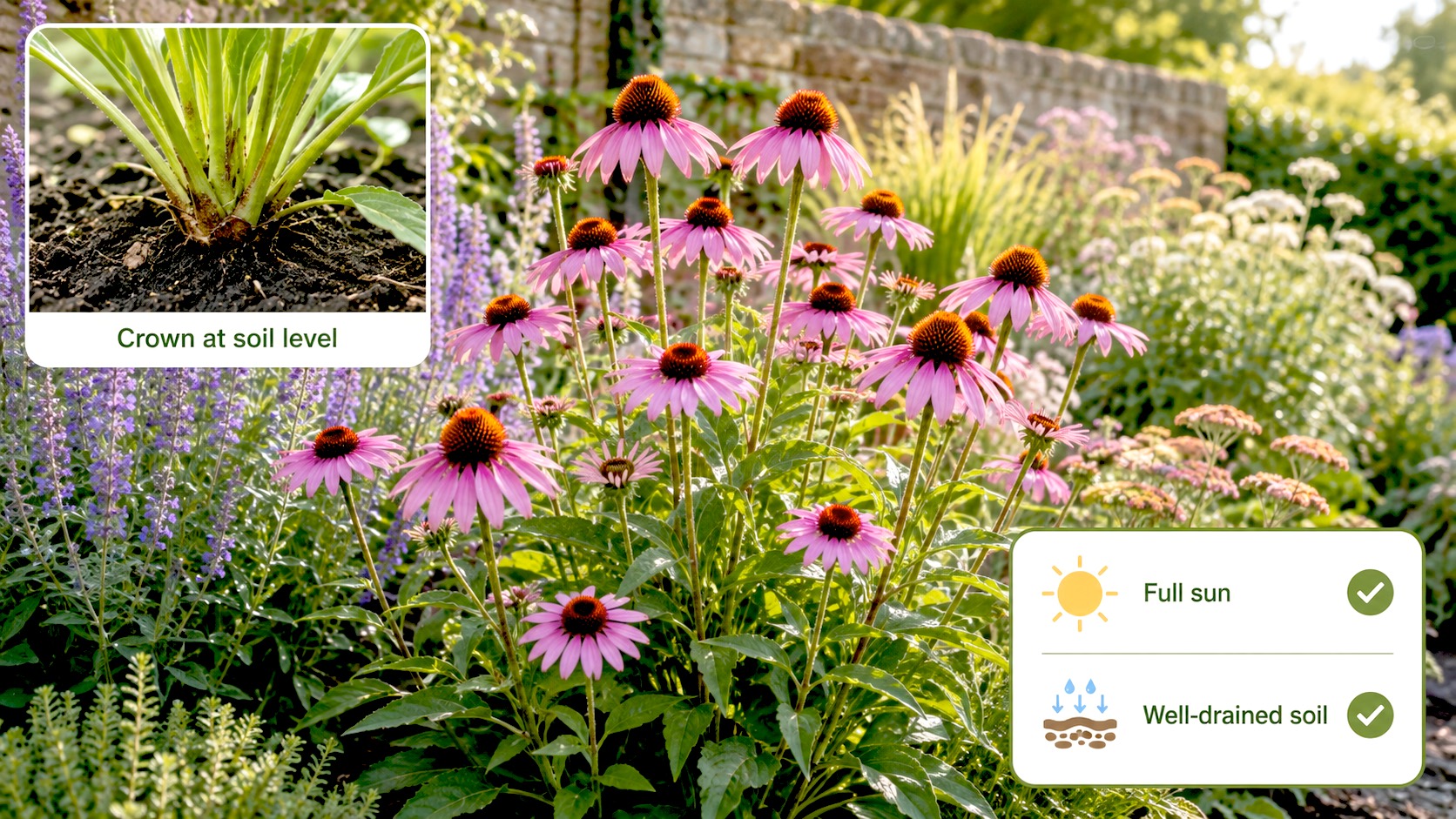
Echinacea succeeds in UK gardens when it gets sun, drainage and time to establish before a wet winter. Choose a sunny position, plant in spring or early summer, and avoid a site where water sits after rain. Those decisions matter more than frequent feeding or complicated pruning.
Also called coneflower, echinacea is a clump-forming herbaceous perennial. It dies back in winter and returns from the crown in spring, producing upright daisy-like flowers in summer and early autumn. This guide concerns ornamental growing only, not herbal or medical use.
Please note: The content below may contain affiliate links. If you make a purchase through these links, we could earn a commission, at no additional cost to you.
Echinacea at a glance
| Need | Best starting point | Warning sign |
| Light | Full sun | Few flowers or stems leaning towards light |
| Soil | Deep, humus-rich and freely draining | Water remains around the crown after rain |
| Planting time | Spring to early summer | A small plant going into cold, wet autumn soil |
| Water | Regularly while establishing, then during prolonged dry spells | Constantly wet soil or a bone-dry container |
| Space | Use the cultivar’s mature spread on the label | Crowded crown with poor air movement |
| Winter care | Drainage first; leave some stems if wanted | Crown buried under wet mulch |
Test the site before buying
Watch the proposed position across a clear day. Echinacea flowers most freely in full sun, so a border shaded by a wall or tree for much of the day is a weak starting point. Next, check drainage after substantial rain. If a test hole fills and stays wet, improve the wider bed, choose a raised position or grow another plant rather than placing grit only in a small planting hole and creating a sump.
Heavy soil is not automatically impossible, but winter wet is a common failure point. Add well-rotted organic matter across the planting area and avoid compacting it. A sloping border or raised bed can be more useful than repeatedly replacing a plant in the same waterlogged pocket.
Choose a plant for the available space
Check the label for final height and spread rather than choosing by flower colour alone. Compact cultivars can suit the front of a border or a large container; taller types work among grasses and other late perennials. The RHS Award of Garden Merit is a useful sign that a named plant has performed well in trials, but the site still needs to match its requirements.
At the garden centre, look for firm, healthy growth and roots that hold the compost together without circling as a solid congested mass. Avoid a plant with a soft or blackened crown. A smaller vigorous plant in season can establish better than a forced specimen already carrying many flowers.
Plant echinacea step by step
- Water the pot and let it drain while you prepare the hole.
- Dig a hole roughly as deep as the rootball and wider than it. Loosen the surrounding soil rather than creating a polished-sided pocket.
- Remove the pot and tease out tightly circling roots gently. Keep the crown at the same level as it was in the container; do not bury it under extra soil.
- Backfill, firm lightly and water thoroughly so soil settles around the roots.
- Apply a modest organic mulch around, not over, the crown. Leave a clear gap so the growing point stays visible and dry enough.
RHS guidance notes that coneflowers prefer spring and summer planting because autumn-planted specimens are more prone to rotting in winter, especially on wet or heavy ground. If you must plant later, drainage and plant size become even more important.
Care through the year
Spring
Remove dead stems before new shoots extend and clear material that is trapping moisture over the crown. Apply a thin mulch of garden compost around the plant. Protect emerging shoots if slugs or snails are active, using the least disruptive control that works in your garden.
Summer
Water newly planted echinacea deeply during dry periods, then allow the surface to begin drying before watering again. Established border plants are more tolerant of dry soil, but containers remain dependent on you. Overfeeding can produce lush growth at the expense of a balanced plant; rich annual fertiliser is rarely the answer to poor light or drainage.
Late summer and autumn
Cut faded flowers back to a lower leaf or side shoot if you want to encourage more blooms. Alternatively, leave some later seedheads for structure and for birds. Both choices can coexist: deadhead early flowers, then leave the final flush.
Winter
The top growth will die back. Leaving dry stems until spring can provide winter structure and shelter for insects, provided they are not collapsing into a wet crown. The plant does not need a blanket of wet mulch.
Propagate without disturbing it unnecessarily
Echinacea dislikes needless disturbance, so divide only when a mature clump is congested or you genuinely want more plants. RHS guidance lists division in spring or autumn and root cuttings from late autumn to early winter for Echinacea purpurea. In a cold or wet garden, spring division gives new pieces a full growing season to re-establish.
Lift carefully, split the clump so each section has healthy roots and buds, replant at the original depth and water in. Seed is another option, but named cultivars may not come true from seed, so seedlings can differ from the parent.
Diagnose the symptom before treating it
| Symptom | Likely cause | Useful response |
| Leaves but few flowers | Too much shade, a young plant or excess rich growth | Increase light if possible and avoid pushing more feed |
| Crown disappears over winter | Cold, wet soil or a buried crown | Improve drainage and replant in spring at the correct level |
| Plant wilts in a pot | Dry compost, root congestion or poor drainage | Check moisture below the surface and inspect drainage holes |
| Young shoots are eaten | Slugs, snails or browsing animals | Inspect at dusk and protect new growth early |
| Tall stems lean | Low light, exposed position or over-rich growth | Improve siting; add discreet support before stems fall |
| Clump weakens after several years | Congestion or natural decline | Divide healthy outer growth and renew the soil |
Growing echinacea in a container
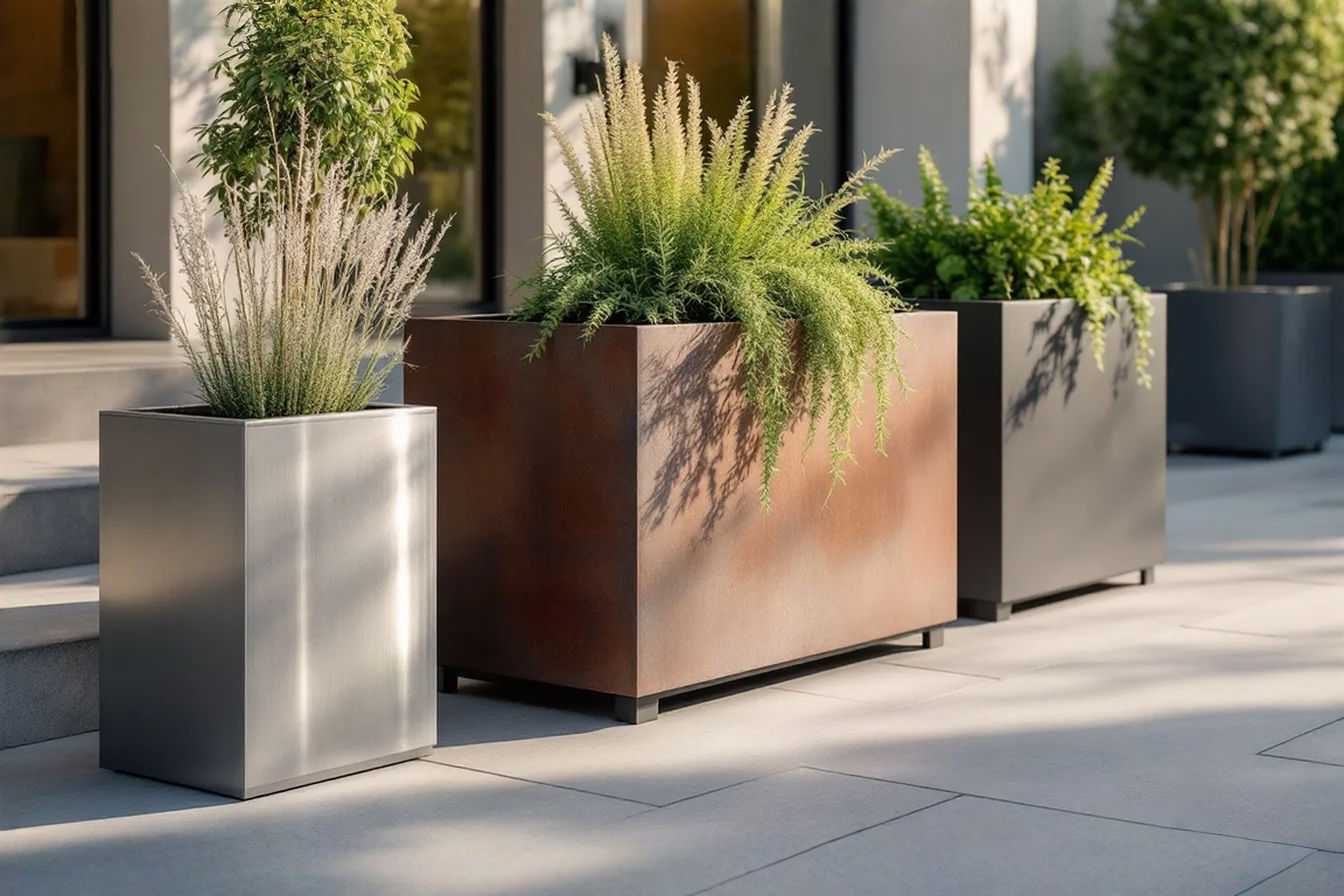
Use a large, frost-resistant pot with generous drainage holes and a free-draining peat-free compost. Choose a compact cultivar, raise the pot so water can escape and do not leave it standing in a saucer through wet weather. Containers dry faster in summer and expose roots to greater temperature swings in winter, so they are not automatically the easier option.
If you can offer full sun and free drainage, plant in spring, water through the first growing season and keep the crown clear. That simple routine gives echinacea the best chance to become the low-fuss late-summer perennial it is supposed to be.
External reference links
- Royal Horticultural Society: Echinacea genus guide
- Royal Horticultural Society: Echinacea purpurea
- Royal Horticultural Society: How to grow perennial plants
- BBC Gardeners’ World: Echinacea purpurea
Subscribe for more
Get the latest posts delivered monthly so you never miss an article. Sign up below: