The Great British Guide to Echinaceas: Purple Coneflowers Perfected
Struggling with Coneflowers? Our ultimate guide covers everything British gardeners need to know about Echinaceas, from history and varieties to the golden rule of drainage.
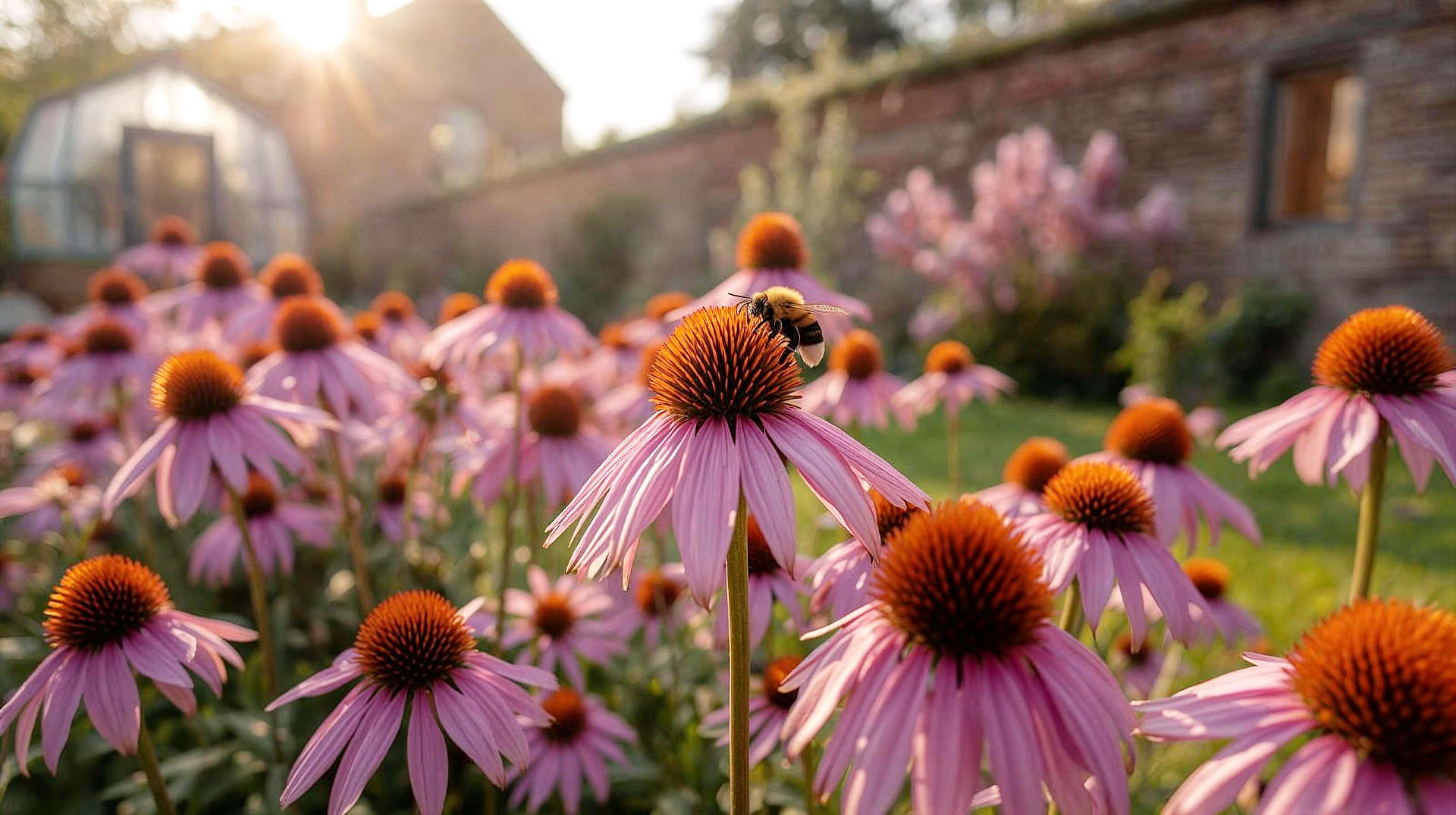
Imagine a late August afternoon in a British garden. The roses are looking a bit tired, and the lupins finished weeks ago. But standing tall in the borders, glowing in the golden light, are the echinaceas. With their bold, shuttlecock shapes and rusty-orange cones buzzing with bumblebees, they’re the undisputed stars of the late summer show.
For many UK gardeners, the echinacea (or purple coneflower) is a bit of a contradiction. We see them thriving in the trendy, prairie-style borders of RHS Wisley or Scampston Hall, looking bulletproof. Yet, buy one from a garden centre, plonk it in heavy clay, and it often vanishes after a single winter.
This guide’s here to change that. We’re going to dig deep into the world of echinaceas, exploring their journey from the wild American plains to the Oxford Physic Garden and revealing exactly how to keep them happy in our damp British climate. Whether you have a sprawling country estate or a few pots on a patio in Bristol, here’s everything you need to know.
Please note: The content below may contain affiliate links. If you make a purchase through these links, we could earn a commission, at no additional cost to you.
What Exactly is an Echinacea?
At its heart, the echinacea is a daisy with attitude. It belongs to the Asteraceae family, the same clan as sunflowers and asters.
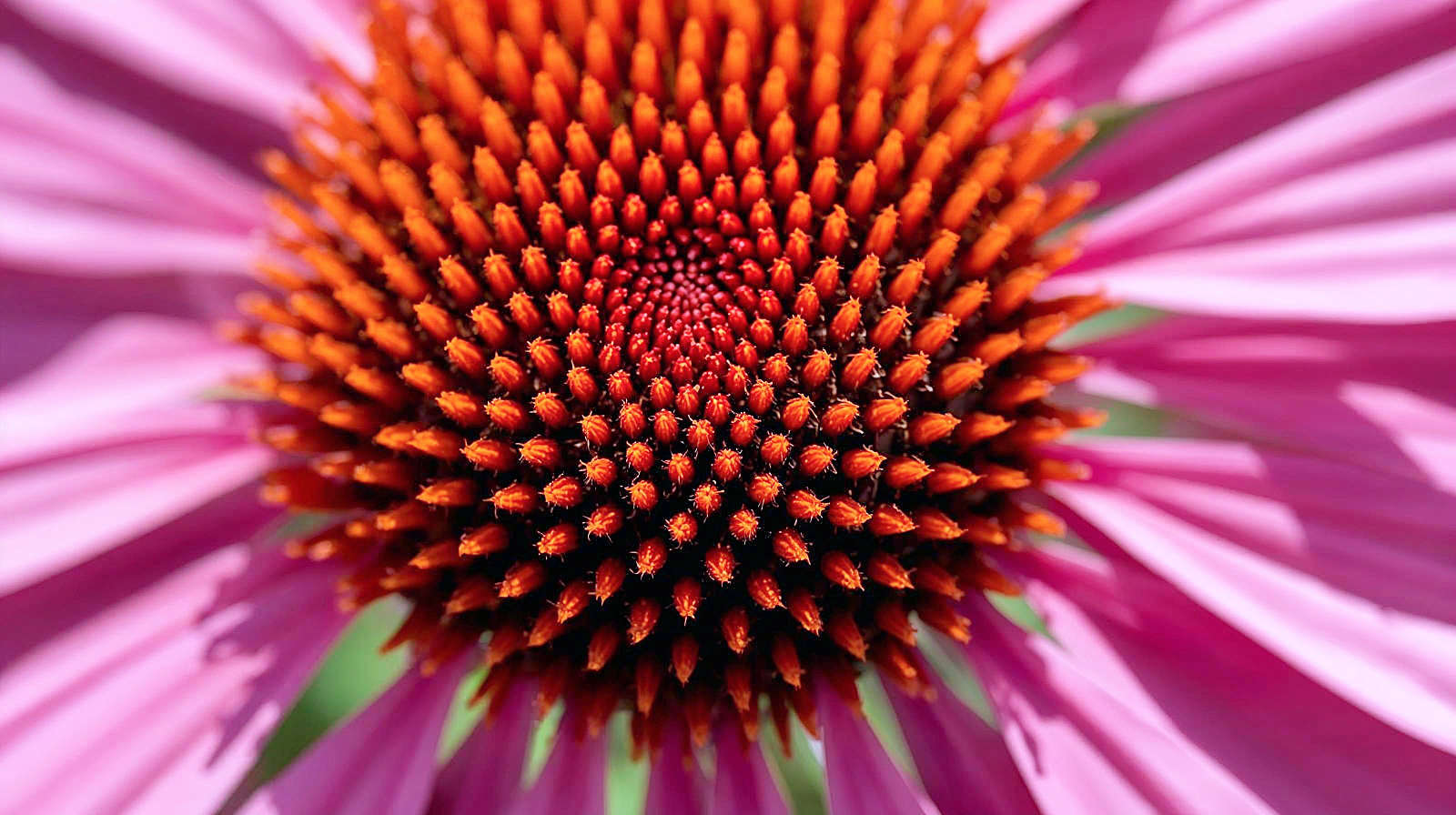
The name “Echinacea” comes from the ancient Greek word echinos, meaning “hedgehog” or “sea urchin.” One look at the spiky central cone of the flower, and you can see why. This cone is actually made up of hundreds of tiny, individual flowers called “disc florets,” which are surrounded by the colourful, drooping petals (or “ray florets”) that we admire.
While they are native to the dry prairies and open woodlands of North America, they have made themselves quite at home in Europe. However, they aren’t just pretty faces; they’re tough survivors built for hot summers and cold winters, though they have a distinct dislike for our soggy British winters, which we’ll come to later.


The Big Three
There are nine species in the wild, but in UK gardens, you will mostly meet three:
- Echinacea purpurea: The classic Purple Coneflower. It has broad leaves and is generally the most reliable species for British gardens. It handles our slightly richer soils better than its cousins.
- Echinacea pallida: The Pale Purple Coneflower. This one is more elegant, with thin, drooping petals that look like a badminton shuttlecock. It loves very well-drained soil.
- Echinacea angustifolia: The Narrow-leaved Coneflower. Smaller and rarer in gardens, this is the one most famous for its medicinal roots.
A History: From the Prairies to Oxford
The story of the echinacea in Britain is older than you might think. It didn’t just arrive with the modern gardening boom.
The First Arrival
The plant first reached our shores in the late 17th century. In 1699, Jacob Bobart the Younger, the keeper of the Oxford Physic Garden (one of the oldest botanical gardens in the UK), received seeds from a naturalist named John Banister. Bobart described this exotic new arrival as a “Dragon” from Virginia.
For a long time, it was a botanical curiosity, known as Rudbeckia purpurea. It wasn’t until the mid-18th century that the Swedish botanist Carl Linnaeus officially classified it. But for centuries, it remained a plant for collectors, not the average gardener.
The “New Perennial” Revolution
Fast forward to the late 20th century. A Dutch garden designer named Piet Oudolf began changing the way Northern Europe gardened. He moved away from fussy, high-maintenance English borders and embraced the “New Perennial” movement, using plants that looked good when they died as well as when they flowered.
Echinaceas were perfect for this. Their sturdy stems stood up to wind, and their black seed heads looked stunning covered in frost. Oudolf’s famous borders at RHS Wisley in Surrey showcased echinaceas in vast, drifting rivers of pink and magenta. Suddenly, every gardener from Cornwall to the Highlands wanted that “wild” prairie look.
Echinacea Cultural and Medicinal Impact
You can’t talk about echinacea without mentioning the medicine cabinet. Walk into any Boots or Holland & Barrett on the high street, and you’ll find shelves of echinacea tablets and drops.
The Herbal Heritage
Long before it was a health food shop staple, echinacea was the “Swiss Army Knife” of medicinal plants for Native American tribes like the Lakota and Cheyenne. They used it for everything from toothache to snakebites (it was even called “snake root” for a while).
In the UK today, it’s strictly regulated. Under the Traditional Herbal Registration (THR) scheme, products must meet safety standards. It’s widely used to relieve symptoms of the common cold and flu type infections. While scientists still argue about exactly how effective it is, its popularity in Britain remains huge.
Note: Always read the label. In the UK, echinacea is generally not recommended for children under 12 or pregnant women.
[azonpress template=”list” asin=”B002T4AU32,B004RFK4KU,B0DL78JNN1,B0F4KYMSMP,B0DTZ5CBWV,B005ZF2BCK”]A Friend to Wildlife
Beyond humans, echinaceas are a lifeline for British wildlife.
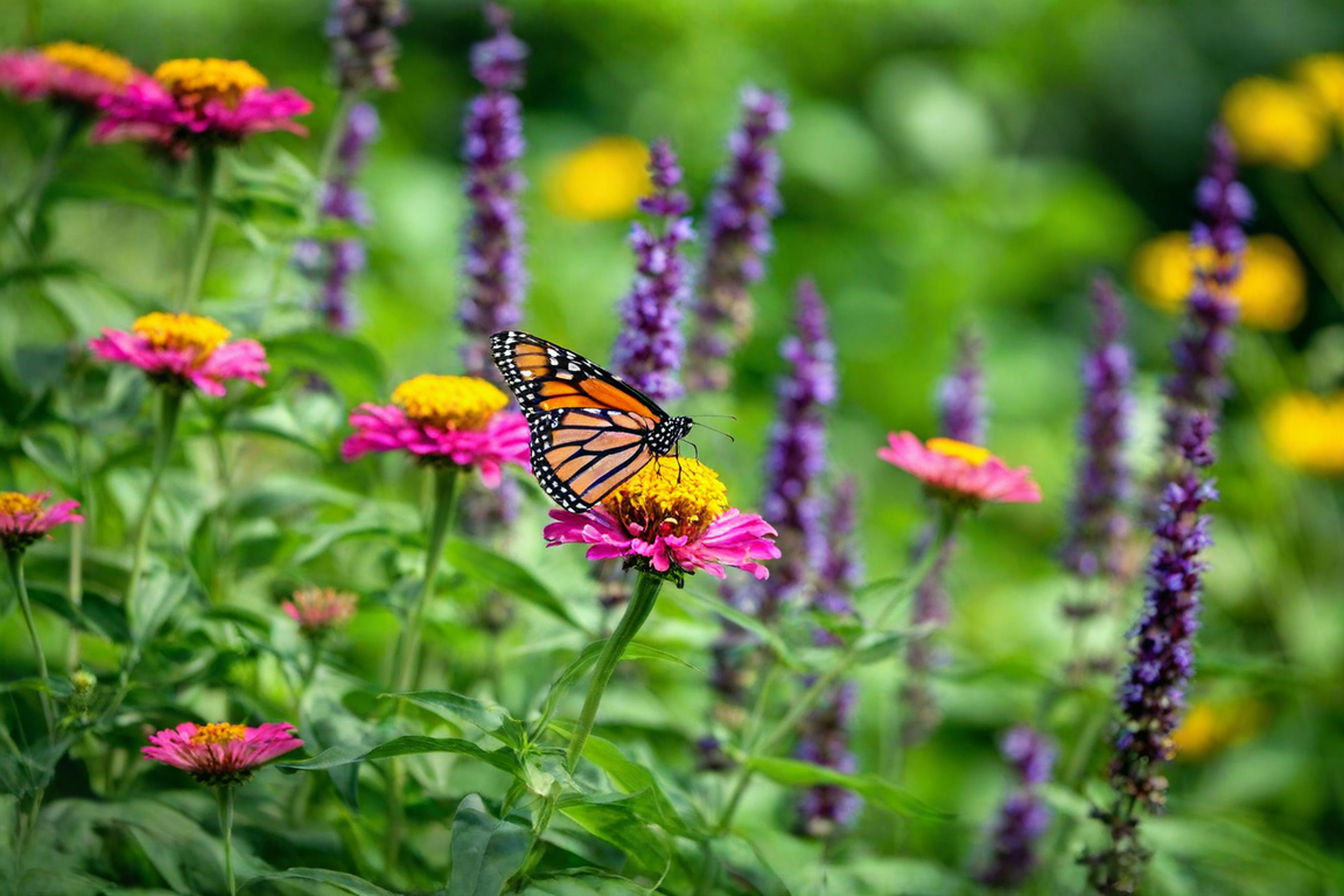
- Summer: The cones are like landing pads for bees and butterflies. They are rich in nectar and easy to access.
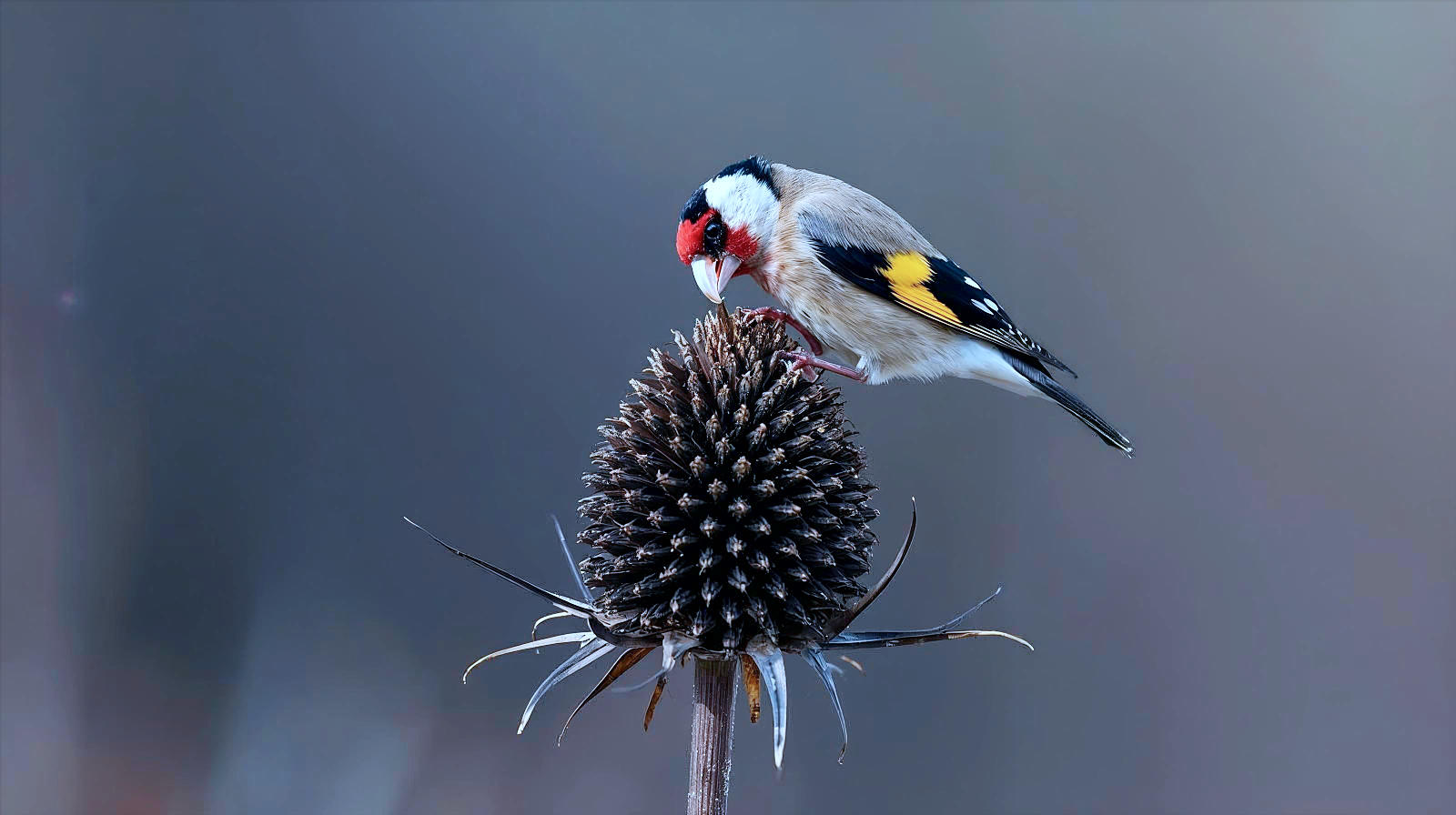
- Winter: If you leave the dead flower heads standing, you will likely see goldfinches perching on them. These colourful little birds have perfectly adapted beaks to tweeze the seeds out of the spiky cones.
Echinacea Varieties: The Best for British Gardens
Not all echinaceas are created equal. In the last 20 years, breeders have gone mad, creating orange, yellow, and even double-flowered varieties. However, many of these fancy hybrids are “short-lived perennials” (a polite gardener’s way of saying they might die after one season).
For the British climate, stick to the ones with the RHS Award of Garden Merit (AGM). These have been tested in UK trials for hardiness and performance.
The Reliables
- ‘Magnus’ (E. purpurea): The gold standard. It has large, flat, rose-pink petals that don’t droop as much as the wild type. It is tough, hardy, and comes back year after year.
- ‘White Swan’ (E. purpurea): The best white variety. It is shorter (about 60cm) and looks elegant glowing in the twilight. It is slightly less vigorous than the pinks but still reliable.
- ‘Rubinstern’ (Ruby Star): If you want intense colour, this is it. Deep carmine-red petals and a bright orange cone.
The Show-Stoppers (Proceed with Caution)
- ‘Cheyenne Spirit’: A mix that flowers in shades of yellow, orange, and red. They are stunning but often behave more like biennials in wet soil.
- ‘Green Jewel’: A fantastic vibrant green flower. It holds its colour well but is notoriously fussy about drainage.
- ‘Hot Papaya’: A double-flowered variety that looks like a red pom-pom. It’s dramatic, but the bees can’t get to the nectar, so it’s less wildlife-friendly.
The Growing Guide: How to Succeed with Echinaceas in the UK
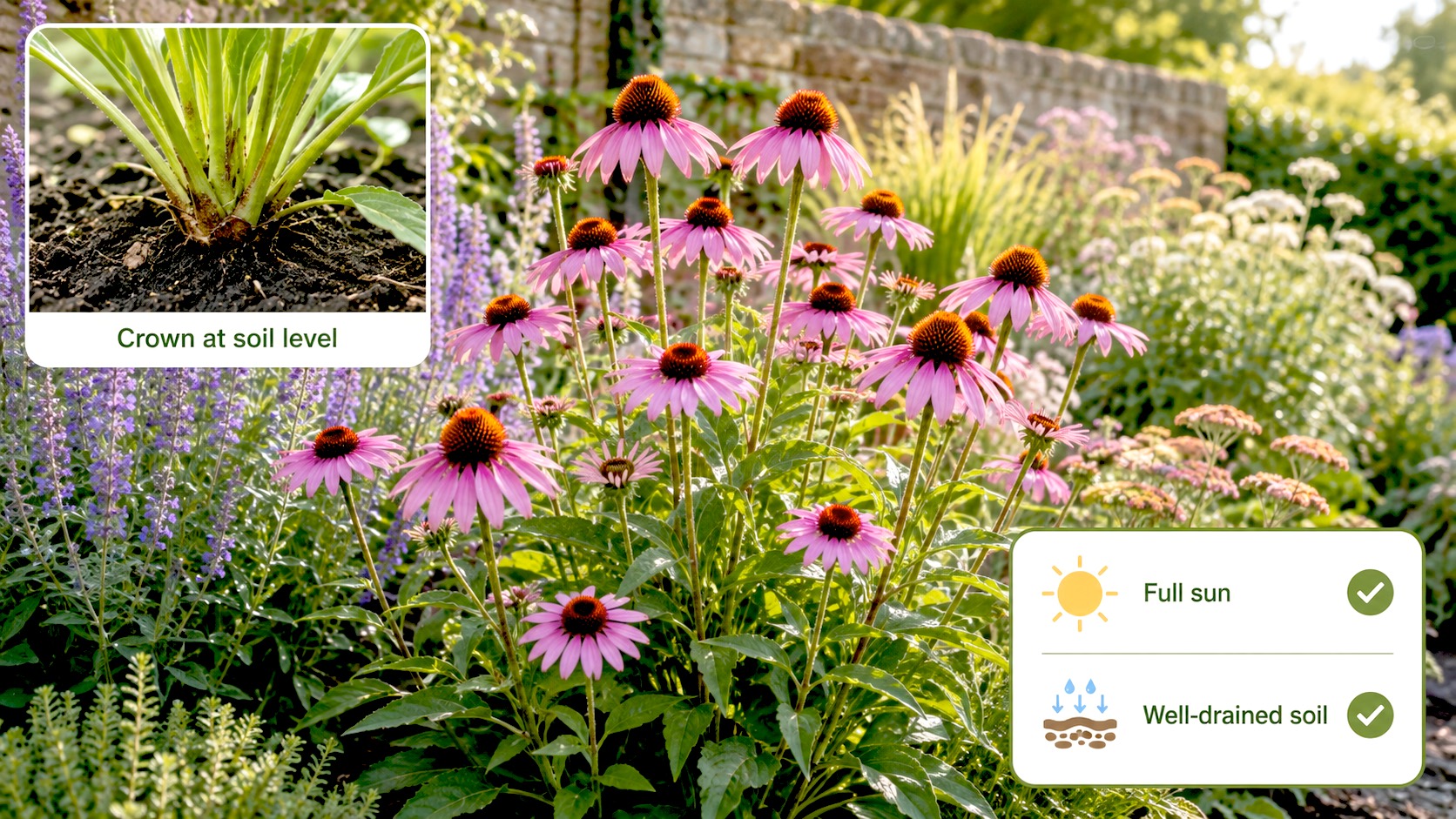
This is the part where most people go wrong. Echinaceas are hardy (they can survive freezing temperatures), but they hate wet feet. A soggy British winter rots their crown faster than frost ever could.
1. Soil and Position
- Sun: They need full sun. Shady spots will result in floppy stems and green leaves but no flowers.
- Drainage: This is non-negotiable. If you have heavy clay soil, you have two choices: improve it massively with grit and organic matter, or grow them in pots. They love a soil that drains quickly after a downpour.
2. When to Plant
In the UK, spring is safer than autumn.
- Spring Planting: Buy pot-grown plants in April or May. This gives them a full summer to put down deep roots before the wet winter arrives.
- Autumn Planting: risky. If the plant sits in cold, wet soil without established roots, it will likely rot.
3. The Great Slug Battle
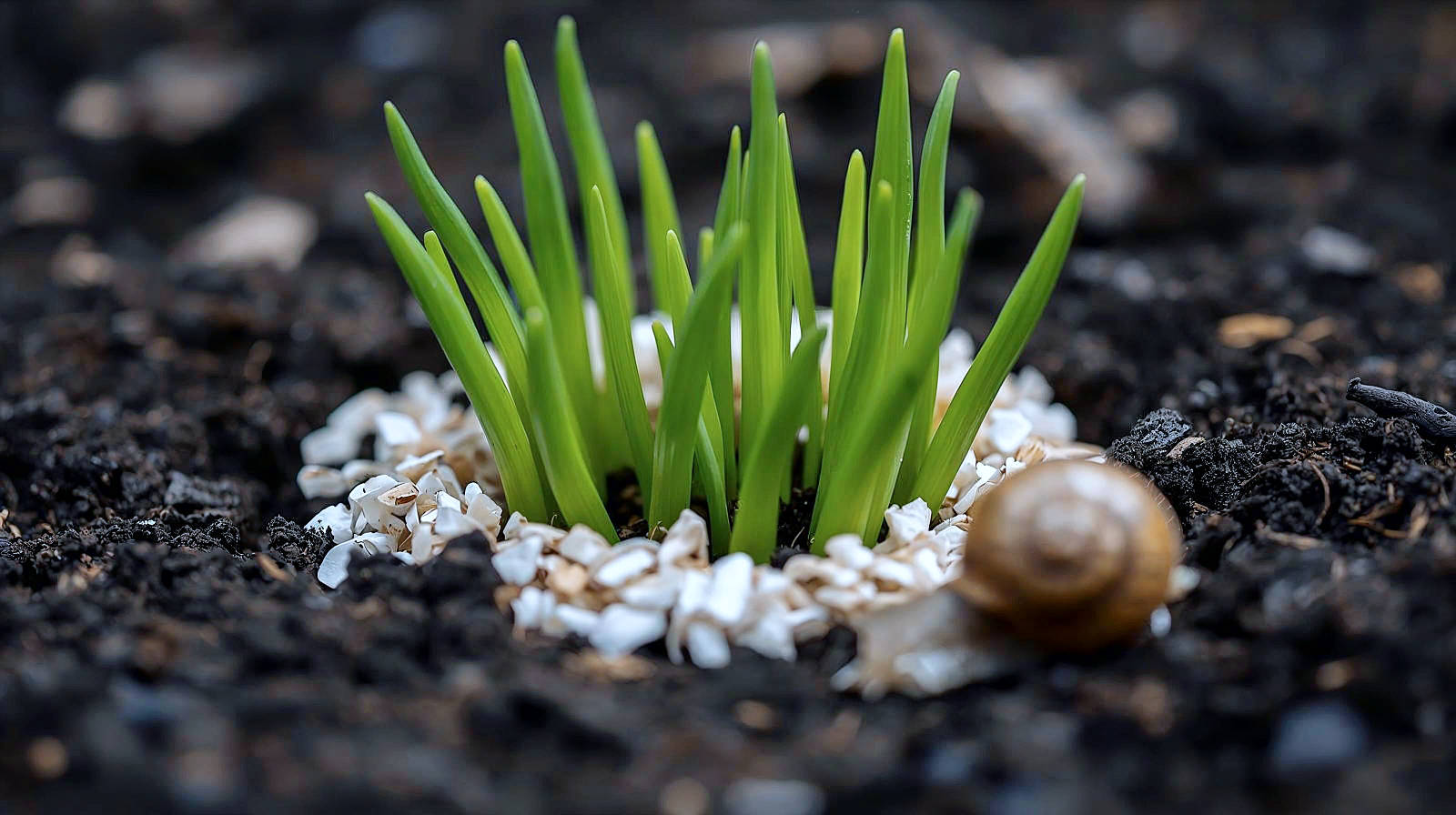
Young echinacea leaves are like caviar to slugs and snails. In April, when the new shoots are just poking through the soil, they are incredibly vulnerable. A single slug can decapitate your plant overnight.
- Action: As soon as you see growth, protect them. Use wool pellets, grit barriers, or go out on “slug patrol” in the evening. Once the leaves toughen up in summer, the slugs usually leave them alone.
4. Overwintering
Don’t be too tidy!
- Leave the stems: Do not cut the flower heads down in autumn. The hollow stems help protect the crown from frost, and the seed heads look beautiful covered in hoar frost (plus, remember the goldfinches).
- The “Chelsea Chop”: In late May (around the time of the Chelsea Flower Show), you can cut back some stems by half to delay flowering and keep the plants more compact.
- Cut back: Cut the old black stems to the ground in early spring, just before new growth appears.
Future Trends: What’s Next for Echinaceas?
The future of echinacea breeding is moving in two directions, both relevant to the UK.
1. Compact Pots: Gardens are getting smaller. Breeders are creating dwarf varieties like the ‘Butterfly’ series that grow only 30-40cm high. These are perfect for window boxes and urban balconies, allowing anyone to have a slice of the prairie in a pot.
2. Climate Resilience: As our summers get hotter and drier (like the drought of 2022), echinaceas are becoming even more valuable. They’re incredibly drought-tolerant once established. Garden designers are increasingly using them in “gravel gardens”, lawns are being dug up and replaced with gravel and drought-loving plants to save water.
Conclusion
The echinacea is a plant that demands respect. It won’t tolerate being thrown into a boggy corner and ignored. But give it the sun it craves and the drainage it needs, and it will reward you a hundred times over.
It connects us to the vast American plains, feeds our native bees, and provides structure when the rest of the garden is fading. Whether you plant a single ‘Magnus’ in a pot or a drift of hundreds across a meadow, the purple coneflower is a must-have for the modern British gardener. Just watch out for those slugs.
Further Reading & Resources
- Royal Horticultural Society (RHS): Echinacea Growing Guide – The definitive technical advice for UK growers.
- Piet Oudolf: Official Work – Inspiration for naturalistic planting.
- NHS / MHRA: Herbal Medicine Regulations – Official guidance on herbal remedies.
- Wikipedia: Echinacea Profile – Deep dive into the genus, family, uses and etymology of purple coneflowers.
- Gardener’s World: 12 of the best echinaceas to grow – Find more of these prairie perennials to cultivate at home.
Subscribe for more
Get the latest posts delivered monthly so you never miss an article. Sign up below: