
Sofa Buying Guide: Everything You Need to Know Before You Buy
Buying a sofa? Read this. Discover the golden rules of measuring, the truth about foam vs. feather fillings, and the most durable fabrics for British homes.
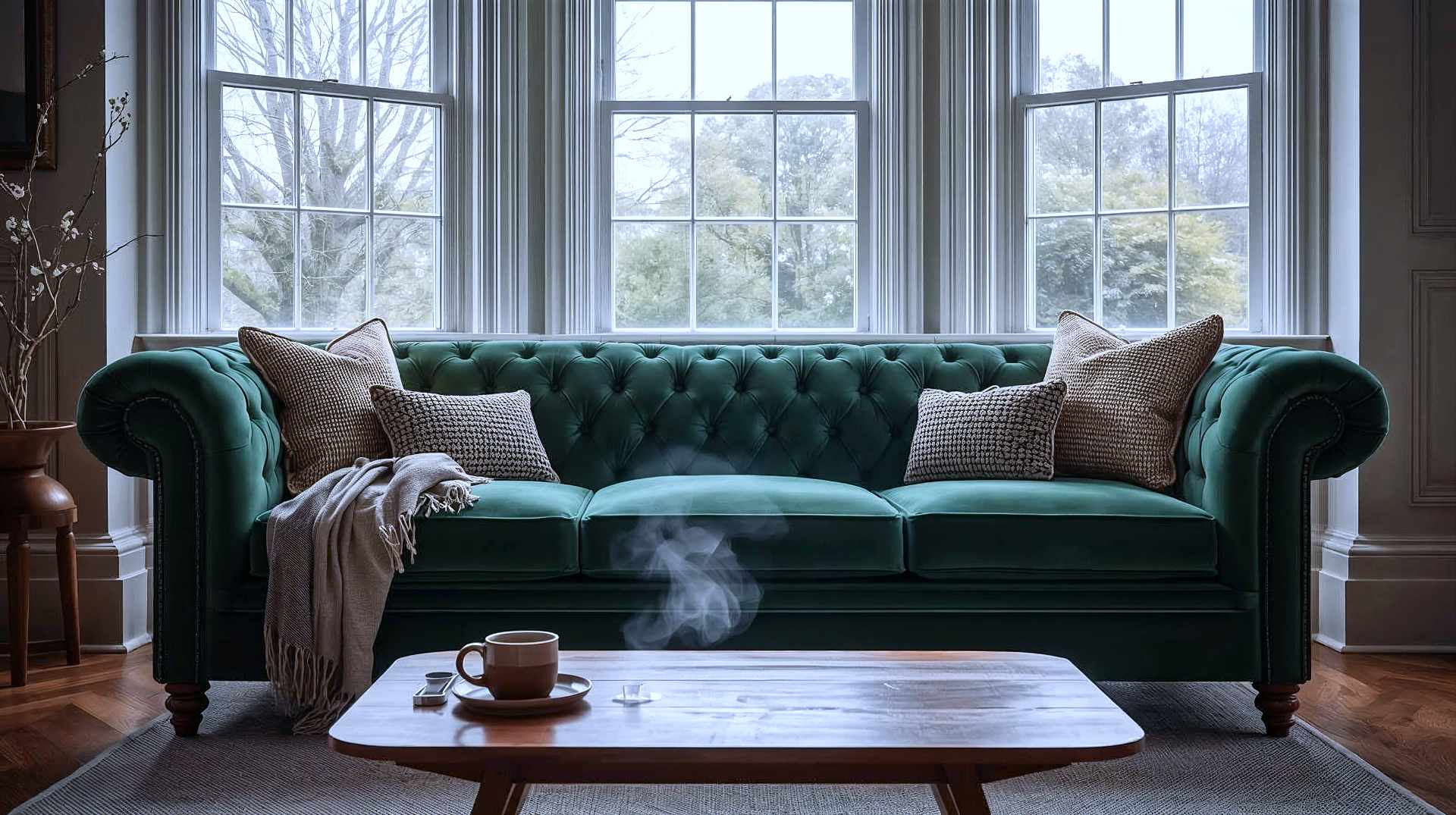
It’s a drizzly Sunday afternoon in November. The roast is in the oven, it’s chucking it down outside, and you’re settling down with a hot mug of tea and the weekend papers. Where are you sitting? On the sofa, of course.
In Britain, the sofa is much more than just a piece of furniture. It is the absolute heart of the home. It’s where we recover from a long day at work, where we binge-watch the latest TV dramas, where the dog secretly sleeps when we aren’t looking, and where we gather with friends for a chat.
Because it plays such a massive role in our daily lives, buying a new sofa is a big deal. It’s a serious investment, often costing anywhere from a few hundred to several thousand pounds. Get it right, and you’ll have a comfy, stylish companion for the next decade or more. Get it wrong, and you could end up with a sofa that gives you a bad back, looks shabby after six months, or—worst of all—won’t even fit through your front door.
If you’re feeling overwhelmed by all the choices, don’t worry. This guide is your ultimate companion. We are going to walk through everything you need to know, from measuring your tricky Victorian hallway to choosing a fabric that can survive muddy paws and spilled squash. Grab a cuppa, and let’s dive in.
Please note: The content below may contain affiliate links. If you make a purchase through these links, we could earn a commission, at no additional cost to you.
Chapter 1: The Golden Rule – Measuring Up
Before you even start looking at velvet fabrics or squishy cushions, you have to do the boring bit: measuring. In the UK, we have some of the smallest average room sizes in Europe. Many of us live in Victorian or Edwardian terraces, cute country cottages, or modern flats. These homes often feature narrow hallways, tight corners, and low ceilings.
Buying a massive, squishy sofa is brilliant, right up until the delivery drivers realise it won’t fit through the door. To avoid the heartbreak of sending your dream sofa back, follow these steps.
Step 1: Measure Your Room
First, you need to know how much space you actually have. Don’t just guess; grab a metal tape measure.
- The Masking Tape Trick: Find the dimensions of the sofa you like online. Then, use masking tape or old newspapers to mark out that exact shape on your living room floor.
- Leave Room to Breathe: A common mistake is buying a sofa that takes up every inch of space. You need to leave about 60 to 80 centimetres of clear space around the sofa so people can walk past without bumping their shins on the coffee table.
- Check the Heights: Measure the height of your windowsills, radiators, and plug sockets. You don’t want your new sofa blocking a radiator (which can ruin the sofa and freeze the room) or sitting awkwardly higher than your window.
Step 2: Measure the Sofa
When you look at a sofa online or in a shop, pay attention to these key numbers:
- Width (W): The total length from the outside of one arm to the outside of the other.
- Depth (D): How far the sofa sticks out from the wall to the front edge of the seat.
- Height (H): From the floor to the very top of the backrest.
- Seat Height: From the floor to the cushion you sit on. If you have bad knees or are quite tall, a higher seat (around 50cm) is much easier to get out of.
- Seat Depth: From the front edge of the cushion to the backrest. A deep seat (over 60cm) is brilliant for curling up and lounging, but a shallower seat is better if you like to sit up straight with your feet flat on the floor.
Step 3: Measure the Route (The “Will It Fit?” Test)
This is where most people get caught out. You have to measure the entire journey the sofa will take from the delivery van to your living room.
- The Front Door: Open the door as wide as it goes. Measure the narrowest point. Don’t forget to account for the letterbox, the door handle, and the doormat.
- The Hallway: Measure the width of your hallway. Are there any wall lights, radiators, or shelves sticking out?
- Internal Doors: Measure the doorways leading into your living room. Remember, sometimes taking a door off its hinges can give you the vital extra centimetres you need!
- Stairs and Lifts: If you live in a flat, measure the inside of the lift and the lift doors. If the sofa has to go up stairs, measure the narrowest point of the staircase and check the ceiling height at the corners.
- The Pivot Point: If your hallway has a sharp turn, measure the space carefully. Stand a tall cardboard box up and try to “walk” it around the corner to see if it clears the wall.
Top Tip: If you have very tight access, look for brands that sell “sofas in a box” (like Snug or Swyft) or modular sofas that come in pieces and clip together in your living room. Also, check if the sofa has removable legs or arms—screwing the legs off can make a massive difference!
Chapter 2: The Skeleton – Frames and Joints
You wouldn’t buy a car without checking if the engine works, and you shouldn’t buy a sofa without knowing what’s going on inside. The frame is the skeleton of your sofa. If the frame is weak, the sofa will start to wobble, creak, and sag within a couple of years.
Types of Wood
Sofas are generally made from three types of materials. Here is how they compare:
- Kiln-Dried Hardwood (The Gold Standard) If you want a sofa that will last for decades, look for a frame made of kiln-dried hardwood, like ash, beech, or oak. “Kiln-dried” means the wood has been slowly baked in an oven to remove all the moisture. This stops the wood from warping, bending, or snapping over time. It’s like building a house with solid bricks—it’s incredibly strong and built to last.
- Softwood (The Middle Ground) Softwoods, like pine, are cheaper and lighter than hardwoods. They are okay, but they aren’t as strong. A pine frame might start to wobble after five or six years of heavy use, especially if you have kids who like to use the sofa as a trampoline.
- Particleboard, MDF, and Plywood (The Budget Option) Cheap, flat-pack sofas are often made from engineered woods like MDF (Medium-Density Fibreboard) or standard particleboard. Think of this like a biscuit dipped in tea; it’s fine at first, but put it under stress, and it will crumble. While high-quality, thick plywood (with 11 to 13 layers) can actually be quite strong, basic MDF should be avoided if you want your sofa to live a long life.
The Joints: How It’s Put Together
A strong frame is useless if it’s held together poorly.
- The Best: Look for frames that are “glued, screwed, and dowelled”. A dowel is a little wooden peg that slots into a hole to lock two pieces of wood together. Adding heavy-duty wood glue and metal screws makes the joint practically unbreakable. Some posh sofas even use wooden corner blocks for extra reinforcement.
- The Worst: Avoid sofas that are only held together with staples, nails, or just glue. Over time, as people flop down on the sofa, staples will pull loose, and the sofa will start to creak like a haunted house.
Chapter 3: The Bounce – Suspension Systems
If the frame is the skeleton, the suspension is the muscle. The suspension sits under the cushions and is what gives the sofa its bounce. It stops you from sinking right through to the floor.
Eight-Way Hand-Tied Springs (The Luxury Choice)
This is the Rolls-Royce of sofa suspension, usually only found on very expensive, handmade British sofas. Craftsmen tie thick metal springs to the frame and to each other using heavy twine, making eight knots per spring. It takes hours to do by hand. The result? A sofa that perfectly contours to your body and will basically never sag.
Serpentine Springs (The Reliable Standard)
Also known as zig-zag springs, these are thick, S-shaped wires stretched across the frame from front to back. They are brilliant. They provide a firm, supportive seat and are found in the vast majority of good-quality sofas today. As long as the metal wire is thick and the springs are placed close together, this suspension will serve you wonderfully for years.
Pocket Springs (The Mattress Method)
Imagine the inside of a high-quality mattress. Pocket springs are individual metal coils wrapped in their own little fabric pockets. Sometimes, these are built right into the seat cushions. They offer a very bouncy, supportive feel and are great at keeping the cushion’s shape looking neat and tidy.
Webbing (The Modern Alternative)
Webbing looks a bit like the straps on a car seatbelt. Strips of elastic or fabric are woven together tightly across the frame.
- Elastomeric Webbing: Very stretchy and often used in modern, sleek sofas that don’t have enough room for thick metal springs. It’s comfortable but can stretch out over time, leading to a saggy bottom.
- Rigid Webbing: Used alongside springs for extra support. Generally, springs are considered better than webbing, but high-quality webbing stretched tightly over a solid frame is perfectly fine for light use.
Chapter 4: The Squish – Cushion Fillings Explained
Now we get to the part you actually feel: the fillings inside the cushions. This choice completely changes how your sofa looks and how it feels to sit on. It usually boils down to the grand debate: Foam vs. Feather.
1. Foam (Firm and Fuss-Free)
Foam is the most common filling. It feels firm, supportive, and bounces straight back into shape when you stand up.
- The Pros: It’s incredibly low maintenance. You never have to plump a foam cushion. If you like your living room to look neat, tidy, and perfectly structured at all times, foam is for you.
- The Cons: Cheap foam can feel a bit like sitting on a yoga block, and very low-quality foam can flatten over time.
- What to look for: Always ask for High-Resilience (HR) foam. It has a better cell structure, meaning it stays bouncy and doesn’t squash down permanently.
2. Feather and Down (The Ultimate Cloud)
For hundreds of years, luxury sofas have been stuffed with duck or goose feathers.
- The Pros: Nothing beats the luxurious, squishy, sink-right-in comfort of a feather-filled sofa. It feels like a giant, warm hug.
- The Cons: It is incredibly high maintenance. When you sit on feathers, they flatten out. When you stand up, they stay flat. To keep a feather sofa looking nice, you have to vigorously “plump” and bash the cushions every single day. If you don’t, your sofa will look like an unmade bed. Feathers can also sometimes poke through the fabric, and they aren’t suitable for people with bird allergies.
3. Polyester Fibre (The Budget Softness)
Fibre is a man-made material (usually hollow strands of polyester) blown into the cushion casing.
- The Pros: It’s cheap, vegan-friendly, and feels very soft and squishy, mimicking the feel of feathers.
- The Cons: It suffers badly from “the pancake effect”. Over time, the air gets squashed out of the fibres, and the cushion goes completely flat. Like feathers, fibre cushions need a lot of daily plumping to keep their shape.
4. The Hybrid: Foam Core with a Feather/Fibre Wrap (The Winner)
This is the holy grail of sofa fillings. The manufacturer takes a thick block of supportive, high-resilience foam, and wraps it in a thick duvet of feathers or soft fibre.
- Why it’s the best: The foam core stops the cushion from going flat and provides excellent support for your back. The feather wrap gives you that gorgeous, soft, squishy top layer. It requires far less plumping than a pure feather cushion, but feels much more luxurious than a pure foam one. If you have the budget, always choose a hybrid cushion.
Chapter 5: The Skin – Choosing the Right Upholstery
You could have the best frame and the best fillings in the world, but if you choose the wrong fabric, your sofa will look terrible in six months. The fabric is what takes all the daily punishment: the friction of jeans, the spills of tea, the claws of cats, and the sticky fingers of toddlers.
The Martindale Rub Test: The Science of Durability
When shopping for sofa fabrics in the UK, you will often hear salespeople mention the “Martindale test” or the “rub count”.
The Martindale test is a machine that aggressively rubs a piece of fabric with sandpaper or wire mesh in a figure-of-eight motion until the fabric starts to break, fray, or go bald. The score tells you how many “rubs” the fabric survived. It is the absolute best way to know if a fabric is tough enough for your home.
Here is what the numbers mean:
- Less than 10,000 rubs: Do not put this on a sofa. It is for decorative cushions and curtains only.
- 10,000 – 15,000 rubs (Light Domestic): Fine for a bedroom chair or a formal sitting room that is only used when the vicar comes round for tea.
- 15,000 – 25,000 rubs (General Domestic): Good for everyday use in a home with careful adults.
- 25,000 – 30,000 rubs (Heavy Domestic): The sweet spot. Brilliant for busy family homes. It will easily survive daily Netflix binges.
- 30,000+ rubs (Commercial/Contract Grade): Basically bomb-proof. If you have a house full of muddy dogs, energetic toddlers, and teenagers who wear rough denim, look for a fabric over 30,000. (Some high-performance velvets score 100,000+ rubs!).
Natural Fabrics
- Cotton and Linen: These are beautiful, breathable, and feel fantastic against the skin. They give a relaxed, elegant look. However, pure linen wrinkles very easily (think of a linen summer shirt) and both can absorb stains quickly. If you want linen, look for a linen-synthetic blend which adds strength and stain resistance.
- Wool: A British classic. Wool is naturally fire-retardant, incredibly hardwearing, and hides dirt brilliantly. It keeps you warm in the winter and cool in the summer. It can be a little scratchy depending on the weave, but it is a superb, long-lasting choice.
- Leather: A good leather sofa only gets better with age, developing a beautiful “patina” (a soft, weathered look). It is fantastic for families because you can just wipe spills away with a damp cloth. It doesn’t hold onto pet hair or smells. The downsides? It can feel cold when you first sit on it in winter, and a bit sticky on a hot summer’s day.
- Tip: Always look for “Top-Grain” or “Full-Grain” leather. Avoid “Bonded Leather”—this is just leather scraps glued together with plastic, and it will peel and flake off in a few years.
Synthetic Fabrics
- Velvet (Polyester/Synthetic): Velvet is having a massive moment in UK interior design. While pure cotton velvet is delicate and marks easily, modern synthetic velvet (made from polyester) is practically magic. It looks incredibly luxurious, feels incredibly soft, and is astonishingly durable (often scoring 40,000+ on the Martindale test). Because it has a tight weave with no loose threads, it is brilliant for cats—their claws can’t catch on anything. Liquid also tends to sit on the surface of synthetic velvet long enough for you to wipe it away.
- Microfibre: If you want absolute durability, microfibre is the superhero of fabrics. The fibres are woven so tightly together that stains, water, and dirt have a very hard time penetrating the surface. It’s easy to clean, soft to the touch, and relatively inexpensive.
Chapter 6: Iconic Sofa Styles – Finding Your Match
Sofas come in all shapes and sizes. Choosing the right style isn’t just about what looks pretty; it’s about matching the sofa to the architecture of your house and how you like to relax.
1. The Chesterfield
The absolute king of British sofas. Legend has it that the 4th Earl of Chesterfield commissioned the first one in the 1700s because he wanted a seat that wouldn’t crease his suits.
- The Look: Deep button-tufting on the back, rolled arms that are the exact same height as the backrest, and usually upholstered in dark leather or rich velvet.
- Best for: Period homes, libraries, or making a grand statement.
- Keep in mind: Because the back is quite low, it doesn’t offer much head or neck support. It’s a sofa for sitting up and chatting, not slouching and snoozing.
2. The Mid-Century Modern
Inspired by the designs of the 1950s and 60s, this style is incredibly popular today.
- The Look: Clean, straight lines, a rectangular shape, and it almost always sits raised off the ground on tapered wooden or metal legs.
- Best for: Small spaces and modern flats. Because you can see the floor underneath the sofa, it creates an optical illusion that makes the room feel bigger and less cluttered.
3. The Howard / English Roll Arm
This is the sofa you picture in a classic English country house or a cozy cottage.
- The Look: Soft, rounded, low arms set further back from the front of the seat, with deep, squishy cushions. It looks inviting and incredibly comfortable.
- Best for: Curling up with a good book. The low arms are the perfect height to rest your head on if you want to lie down for an afternoon nap.
4. The Corner Sofa / L-Shape
These have surged in popularity in the UK over the last decade, replacing the traditional “three-seater plus two armchairs” setup.
- The Look: Two sofa sections joined together at a right angle, or a standard sofa with an extended “chaise” section for putting your feet up.
- Best for: Open-plan living rooms or large families. They are brilliant space-savers because they push right into the dead space of a room’s corner. They are the ultimate lounging machines for movie nights.
5. The “Sofa in a Box” (Modular)
A very modern invention specifically designed for tight British homes.
- The Look: They look like normal, stylish sofas, but they are delivered in several manageable cardboard boxes. You carry the boxes up your narrow stairs, unpack them, and slot the pieces together without any tools.
- Best for: Renters who move frequently, or people living in top-floor flats with awkward staircases.
Chapter 7: Sofa Beds – The Guest Room Solution
With property prices what they are, many of us don’t have the luxury of a spare bedroom. A good sofa bed can turn your living room into a comfortable guest room in minutes. There are two main types to consider:
The Pull-Out Mechanism
This is the traditional style. You remove the seat cushions, grab a handle, and pull out a metal frame with a thin mattress folded up inside.
- Pros: It looks exactly like a normal sofa when folded away. The mattress is separate from the sofa cushions, which is better for hygiene.
- Cons: They are incredibly heavy (not fun to move when vacuuming). Because the mattress has to fold up inside the base, it is usually quite thin. If your guests are staying for more than a couple of nights, they might start to feel the metal bars underneath them.
The Click-Clack (or Futon) Mechanism
A much simpler design. You push the backrest of the sofa forward until it clicks, and then fold it down flat so the backrest and the seat form a single flat bed.
- Pros: Very quick to set up. They are usually much lighter and cheaper than pull-out beds. They also have a sleek, modern look.
- Cons: You are sleeping on the exact same surface you sit on, which can cause uneven wear. They are often quite firm, so you might want to buy a mattress topper to make it comfy for guests.
Chapter 8: Crucial UK Regulations – Fire Safety
This is the serious bit. The UK has some of the strictest furniture fire safety laws in the world, and for good reason. Before 1988, many sofas were filled with highly flammable polyurethane foam that produced toxic smoke when burned, leading to tragic house fires.
To fix this, the government introduced the Furniture and Furnishings (Fire) (Safety) Regulations 1988.
What Does This Mean for You?
Any upholstered furniture sold in the UK (whether new or second-hand through a business/charity) must meet strict fire resistance standards. The fillings must not easily catch fire, and the cover fabric must be “match resistant” and “cigarette resistant”.
The Labels
When you buy a sofa, you will see a couple of labels.
- The Display Label: This is the big, often square label you see hanging off the sofa in the showroom. It usually has a picture of a match and a cigarette with a red triangle, proving it meets the legal requirements.
- The Permanent Label: This is the most important one. It is a small label permanently stitched to the sofa (usually underneath the seat cushions or on the base). It contains details about the materials used and confirms compliance with the law.
- CRITICAL TIP: Never, ever cut the permanent label off your sofa. If you decide to donate your sofa to a charity shop (like the British Heart Foundation) or sell it online later, it is actually illegal for businesses or charities to take it if that label is missing. Without the label, it goes straight to the landfill.
Landlords and “Crib 5”
If you are buying a sofa for your own home, standard domestic fire ratings are fine. However, if you are a landlord renting out a furnished property, a hotel owner, or running a holiday let, the rules are different. You often need furniture that meets Crib 5 (Ignition Source 5) standards, which are even more fire-resistant. Always check your legal obligations before buying for a rental.
Chapter 9: The Buying Process – The Showroom “Sit Test”
While buying online is easy, buying a sofa is a tactile experience. If you can, it is always best to visit a showroom. Don’t just walk up to a sofa and poke it. You need to do the “Sit Test” properly.
- Take Your Coat Off: You don’t wear a thick winter coat in your living room, so take it off to feel how the fabric actually feels against your skin.
- Sit Like You Do at Home: If you usually sit bolt upright like a newsreader, do that. But if you normally lie down, pull your knees up, or slouch sideways, do exactly that in the showroom. Don’t feel embarrassed; the salespeople see it every day.
- Stay There: Don’t just sit for ten seconds. Sit for at least five to ten minutes. A sofa might feel wonderfully squishy at first, but after five minutes, you might realise it offers zero back support and makes you ache.
- Check the Depth: When you sit right back, do your feet touch the floor? If they dangle like a toddler’s, the seat is too deep for you (unless you plan to always sit cross-legged).
- Check the Arms: Lean on the armrests. Are they padded properly? If you can feel hard wood right beneath the fabric, it’s a sign of cheap manufacturing.
A Note on Delivery Times
Unless you are buying a stock model from a massive warehouse, a high-quality sofa will not arrive the next day. Most good British sofa brands (like Loaf, Sofa.com, or traditional makers like Kingcome) make their sofas to order.
This means you choose the frame, you choose the fabric, and then a craftsman actually builds it for you. Expect a lead time of anywhere from 6 to 12 weeks. Order well in advance, especially if you want it guaranteed for Christmas!
Chapter 10: Care and Maintenance – Making it Last
You’ve measured, you’ve bought, and it’s finally sitting beautifully in your living room. How do you stop it looking old and tired?
- The Daily Plump: If you bought feather or fibre cushions, you must plump them. Take the cushions off, punch them on the sides, drop them on the floor to get the air back in, and smooth them out. Do this every time you tidy the room.
- The Weekly Turn: If your cushions are fully reversible (meaning the fabric is the same on both sides), flip them over and swap them from the left side of the sofa to the right side every week. We all have a “favourite spot” on the sofa; turning the cushions ensures the foam and fabric wear evenly, stopping one side from sinking.
- Vacuum Regularly: Dust and grit settle into the fibres of the fabric. When you sit down, that grit acts like tiny pieces of sandpaper, wearing the fabric out over time. Use the soft brush attachment on your vacuum cleaner to gently hoover the sofa once a fortnight.
- Spills and Stains: If you spill tea or wine, do not rub it. Rubbing pushes the liquid deeper into the fibres. Instead, grab a clean, dry piece of kitchen roll and press down firmly to blot the liquid up.
- Sunlight: The sun in the UK might not be the strongest, but UV rays will bleach fabric over time. If your sofa is in a bright conservatory or right in front of a south-facing window, try to draw the blinds during the hottest part of the day, or throw a nice blanket over the back to protect the colour.
Conclusion
Buying a sofa doesn’t have to be a stressful faff. By taking the time to measure your space accurately, understanding the bones and bounce of what you are paying for, and choosing a fabric that suits your real, messy, wonderful life, you can find the perfect centrepiece for your home.
Whether you want a grand Chesterfield to read the papers on, a sleek velvet number for a modern flat, or an indestructible corner sofa that can survive muddy kids and spilled snacks, the right sofa is out there waiting for you.
So, grab that tape measure, work out your budget, and start hunting. Your perfect Sunday afternoon nap is just a few weeks away.
Further Reading & Resources
To explore more about finding the perfect sofa and understanding British interior standards, check out these highly respected resources:
- The Furniture Ombudsman – For independent advice on your consumer rights when buying furniture in the UK.
- British Retail Consortium (BRC) – Fire Safety Guide – Detailed overviews of the UK Furniture and Furnishings (Fire) (Safety) Regulations to ensure your home stays safe.
- Ideal Home – Sofa Buying Advice – Excellent up-to-date trends, reviews of British sofa brands, and styling ideas for modern UK living rooms.
- Homes & Gardens – Best Sofa Brands – A curated list of luxury and heritage UK sofa makers, from Kingcome to Loaf.
Subscribe for more
Get the latest posts delivered monthly so you never miss an article. Sign up below: