Light & Fluffy: The Ultimate Guide to Making Authentic Sopapillas at Home
Move over, doughnuts. The sopapilla is here. Learn how to make these golden, pillowy pockets of fried dough with our definitive guide for British home cooks.
If you were to ask a British person to describe their ideal comfort food, you’d likely hear about Sunday roasts, buttery crumpets, or perhaps a jammy doughnut. But across the Atlantic, in the sun-baked high deserts of New Mexico and parts of Latin America, there exists a contender for the title of “World’s Best Comfort Food.”
It is called the Sopapilla (pronounced so-pah-pee-ya).
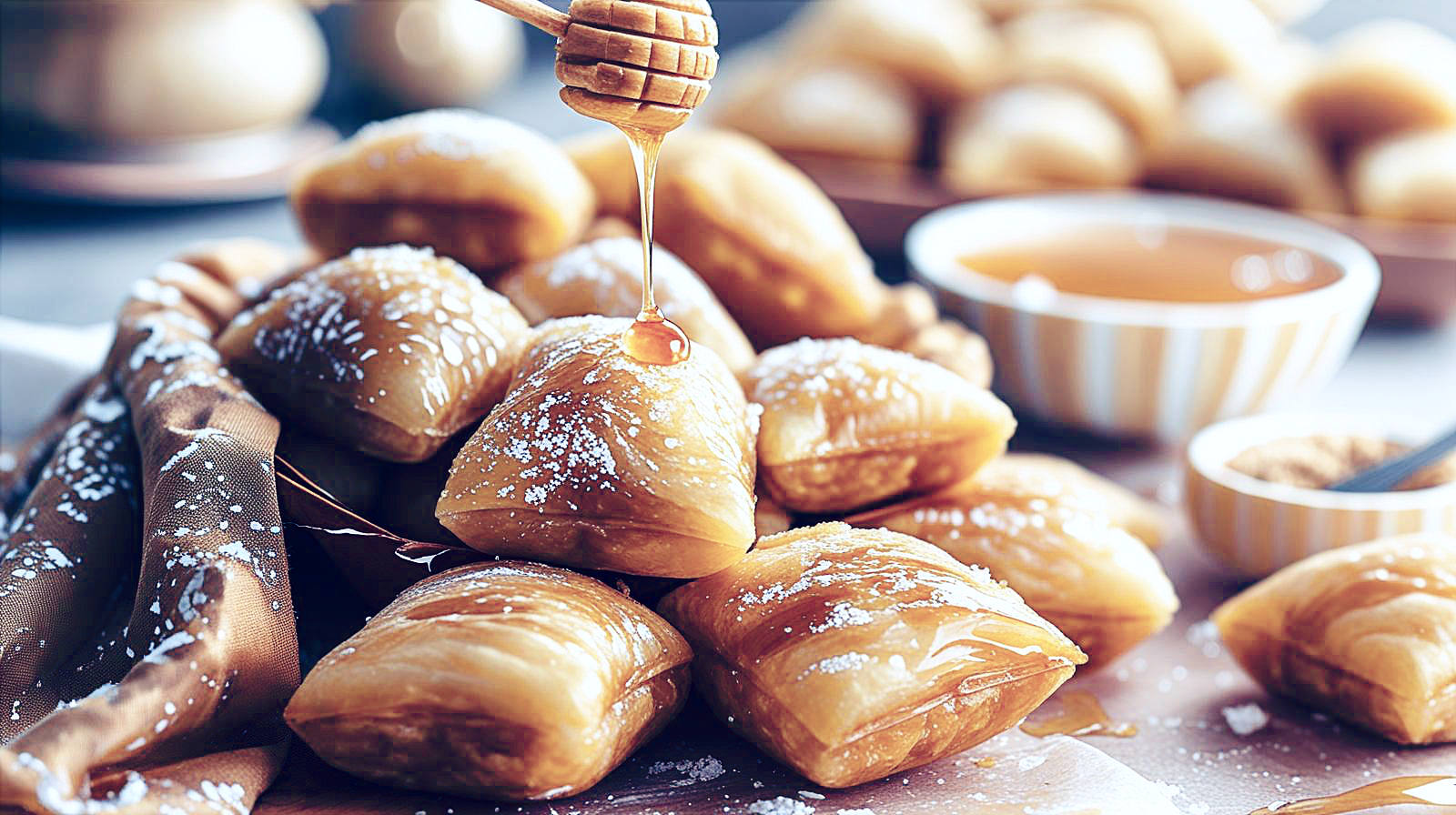
Imagine a pillow. Now, imagine that pillow is made of golden, fried dough. It’s crispy on the outside, incredibly airy on the inside, and steaming hot. You tear off a corner, and a wisp of steam escapes. You drizzle it with honey which melts into the nooks and crannies. It’s not heavy like a doughnut; it is light, almost ethereal.
For many in the UK, the sopapilla is a mystery. Is it a tortilla? Is it a doughnut? Is it a savoury pasty? The answer, confusingly, is “yes” to all of the above, depending on how you serve it.
This guide is your passport to mastering this puffed masterpiece. We aren’t just going to give you a recipe; we’re going to explore the history, the science of the “puff,” and the tips you need to replicate a New Mexican grandmother’s kitchen right here in Britain.
Please note: The content below may contain affiliate links. If you make a purchase through these links, we could earn a commission, at no additional cost to you.
Part 1: What Exactly is a Sopapilla?
At its simplest, a sopapilla is a type of fried pastry or quick bread. But calling it “fried dough” does it a disservice. A proper sopapilla is defined by its reaction to hot oil. When the rolled-out dough hits the fryer, it should balloon up immediately, creating a hollow pocket in the centre.
The Texture Profile
If you buy a doughnut from a supermarket, it has a “crumb”—a cake-like inside. A sopapilla does not. It has a shell.
- The Exterior: Golden, slightly blistered, and crisp.
- The Interior: Soft, slightly chewy, and mostly hollow (or filled with steam).
Sweet vs. Savoury
In New Mexico, the sopapilla serves a dual purpose, much like a Yorkshire pudding does in Britain.
- The Bread Basket: In many restaurants, they are served instead of bread rolls. You tear them open and mop up spicy chilli stews.
- The Dessert: After the meal, the leftover sopapillas are drenched in honey or sprinkled with cinnamon sugar.
- The Stuffed Sopapilla: This is a meal in itself. The hollow pocket is stuffed with meat, beans, and cheese, then smothered in sauce (“red” or “green” chile). Think of it as a fried Cornish pasty, but with a much lighter casing.
Part 2: A History Spanning Continents
The story of the sopapilla is a culinary travelogue that connects the Middle East, Europe, and the Americas. It is a history of colonization, trade, and adaptation.
The Moorish Influence
To understand the sopapilla, we have to look at Spain, but specifically Spain under Moorish rule (from the 8th to the 15th century). The Moors brought with them a tradition of frying dough in oil—a technique popularized in the Middle East.
The word sopapilla is believed to derive from the Mozarabic word xopaipa, which meant bread soaked in oil. It is a cousin to the word sopa (soup), implying something that sops up liquid.
Crossing the Atlantic
When the Spanish Conquistadors arrived in the Americas, they brought wheat flour and livestock (lard) with them. The indigenous peoples of the Americas already had rich traditions of corn-based foods (like tortillas), but wheat flour offered something new: gluten.
Over centuries, in what is now New Mexico, Colorado, and Texas, these ingredients mingled. The Spanish settlers and Indigenous communities developed variations of fried breads.
- Indigenous Frybread: Often thicker, heavier, and made with slightly different proportions.
- Sopapilla: Rolled thinner to encourage the ballooning effect.
The New Mexican Identity
While you find versions of fried dough all over South America (in Chile, sopaipillas often include pumpkin in the dough and are eaten in the rain), the version we are focusing on is the New Mexican Sopapilla. In 2003, it was even declared the official state pastry of New Mexico. It is as culturally significant to them as the scone is to the West Country.
Part 3: The Science of the “Puff”
This is the bit where things go wrong for beginners. You make a dough, you fry it, and it comes out looking like a sad, flat biscuit. Why?
To get the puff, you need to understand the physics. It is actually very similar to how a Yorkshire pudding works.
1. The Steam Engine
Sopapilla dough contains water (or milk) and baking powder. When that dough hits 190°C (375°F) oil, two things happen instantly:
- Chemical Reaction: The baking powder activates, creating small bubbles of carbon dioxide.
- Physical Reaction: The water in the dough turns to steam.
Because water expands roughly 1,600 times in volume when it turns to steam, it pushes the layers of dough apart with tremendous force.
2. The Gluten Balloon
This is where flour choice matters. You need gluten (the protein in flour) to create an elastic network. If the dough is too weak, the steam will just burst through the surface and escape. If the dough is elastic, it stretches to hold that steam inside, trapping it like a balloon.
3. The Heat Shock
If your oil is not hot enough, the dough cooks slowly. The crust sets before the steam has time to expand, or the oil seeps in before the steam pushes it out. You need “shock heat” to seal the outside and force the expansion immediately.
Part 4: Ingredients – The British Kitchen Edition
You don’t need specialist imports to make authentic sopapillas. You likely have everything in your cupboard right now.
The Flour: Plain is Perfect
Do not use Strong White Bread Flour. It makes the dough too tough and rubbery. Do not use Self-Raising Flour. While it has raising agents, you want to control the amount of baking powder yourself.
- Use: Standard Plain Flour (All-Purpose).
The Fat: Lard vs. The World
Historically, lard (pork fat) is the authentic choice. It provides incredible flakiness and a subtle savoury depth.
- Lard: The traditionalist’s choice.
- Vegetable Shortening (Trex): The best vegetarian alternative. It has a high melting point and creates a very similar texture to lard.
- Butter: Delicious, but the water content in butter can change the texture slightly, making it softer rather than crisp.
- Oil: Some recipes use liquid oil in the dough. This works, but solid fat cut into the flour usually yields a better “pastry” texture.
The Liquid: Water or Milk?
- Water: Creates a crispier, lighter shell.
- Milk: Creates a richer, softer, more tender crumb.
- The Verdict: For a true “light and fluffy” texture, use water, or a 50/50 mix.
Part 5: The Master Recipe
This recipe makes about 12–15 sopapillas.
Equipment You Will Need
- A large mixing bowl.
- A rolling pin.
- A heavy-bottomed pan for frying (or a deep-fat fryer). Safety Note: If using a pan, ensure it is deep and never fill it more than halfway with oil.
- A thermometer (highly recommended).
- A slotted spoon or tongs.
- Kitchen paper (for draining).
Ingredients
- Flour: 500g Plain Flour.
- Baking Powder: 2 teaspoons.
- Salt: 1 teaspoon (table salt).
- Fat: 50g Lard or Vegetable Shortening (Trex).
- Liquid: 250ml Warm Water (about 45°C—warm to the touch, not scalding).
Step-by-Step Method
Step 1: The Dry Mix
Sift your flour, baking powder, and salt into the large bowl. Sifting is important here—it adds air before you even start.
Step 2: Cut in the Fat
Add your lard or shortening. Using your fingertips, rub the fat into the flour. You are looking for a texture that resembles coarse breadcrumbs. You shouldn’t see big lumps of fat, but it shouldn’t be a smooth paste either. This technique distributes the fat so that when it melts, it creates tiny layers (flakiness).
Step 3: Add the Water
Make a well in the centre. Pour in the warm water. Mix it gently with a fork until a shaggy dough forms.
Step 4: The Knead
Turn the dough out onto a lightly floured surface. Knead it gently. You are not making bread, so don’t beat it up. Knead for about 2 minutes until it forms a smooth, soft ball. It should feel tacky (slightly sticky like the back of a Post-it note) but not messy.
Step 5: The Rest (Crucial!)
Cover the dough ball with a clean tea towel or cling film. Let it rest on the counter for at least 20 minutes.
- Why? This relaxes the gluten. If you try to roll it now, it will snap back like a rubber band. Relaxed dough rolls thinner, and thinner dough puffs better.
Step 6: Roll and Cut
Divide the dough into two halves to make it manageable. Roll one half out into a square or rectangle.
- Thickness: Aim for about 3mm (the thickness of a pound coin). If it’s too thick, it won’t puff. If it’s too thin, it will turn into a cracker.
- Cut: Cut into squares or rectangles, roughly 7cm x 10cm. Do not worry if they aren’t perfect.
Step 7: The Fry
Heat about 3-4 inches of vegetable oil (sunflower or rapeseed oil works well) to 190°C (375°F). Carefully drop 1 or 2 pieces of dough into the oil. Do not overcrowd the pan, or the temperature will drop.
The Magic Trick: As soon as the dough floats to the top (which takes seconds), use your slotted spoon to gently push it down into the oil or splash hot oil over the top of it. This encourages the puff.
Fry for about 1 minute per side until they are a deep golden brown.
Step 8: Drain
Remove from the oil and drain on kitchen paper.
Part 6: How to Serve and Eat
In the UK, we tend to be quite polite with our cutlery. Put the knife and fork down. Sopapillas are a tactile experience.
The Classic Sweet Way
This is the standard dessert method.
- Take a hot sopapilla.
- Tear off one corner (watch out for the escaping steam!).
- Pour high-quality honey inside the hollow pocket.
- Eat it immediately.
- Optional: Dust with cinnamon sugar or serve with a scoop of vanilla ice cream to melt against the hot pastry.
The Stuffed Savoury Way
This turns the snack into dinner.
- Fry the sopapilla as usual.
- Slice along one edge to open the pocket.
- Fill with:
- Spiced minced beef (taco seasoning works well).
- Refried beans.
- Grated cheddar cheese.
- The Sauce: To be truly authentic, you need Chile Sauce. In the UK, you can buy “Enchilada Sauce” in jars, which works as a substitute. Pour the sauce over the whole thing and top with more cheese.
Part 7: Troubleshooting Common Problems
Even the best cooks have off days. Here is what to do if your sopapillas are misbehaving.
“They didn’t puff up!”
- Cause 1: The oil was too cold. The dough just soaked up oil instead of exploding with steam.
- Cause 2: The dough was rolled too thick.
- Cause 3: You didn’t let the dough rest.
- Solution: Check your oil temp, roll thinner, and wait.
“They are really greasy.”
- Cause: Cold oil. When frying, if the temperature drops below 175°C, the outward pressure of the steam stops, and the oil rushes in.
- Solution: Fry fewer pieces at a time to keep the heat high.
“They are tough and chewy.”
- Cause: You overworked the dough (kneaded it too much), developing too much gluten.
- Solution: Next time, handle the dough gently. Treat it more like a scone mix than bread dough.
Part 8: Variations and Modern Twists
Once you have mastered the classic, you can get creative.
The “Sopaipilla” (Chilean Style)
In Chile, they add cooked, mashed pumpkin (squash) to the dough. It gives the pastry a beautiful orange hue and an earthy sweetness. They are often dipped in a sauce made from molasses, orange peel, and spices.
The Chocolate Sopapilla
Add a tablespoon of cocoa powder and a teaspoon of sugar to the flour mix. Serve with chocolate sauce. It’s decadent, untraditional, and delicious.
The Air Fryer Question
Can you air fry a sopapilla?
- Technically: Yes.
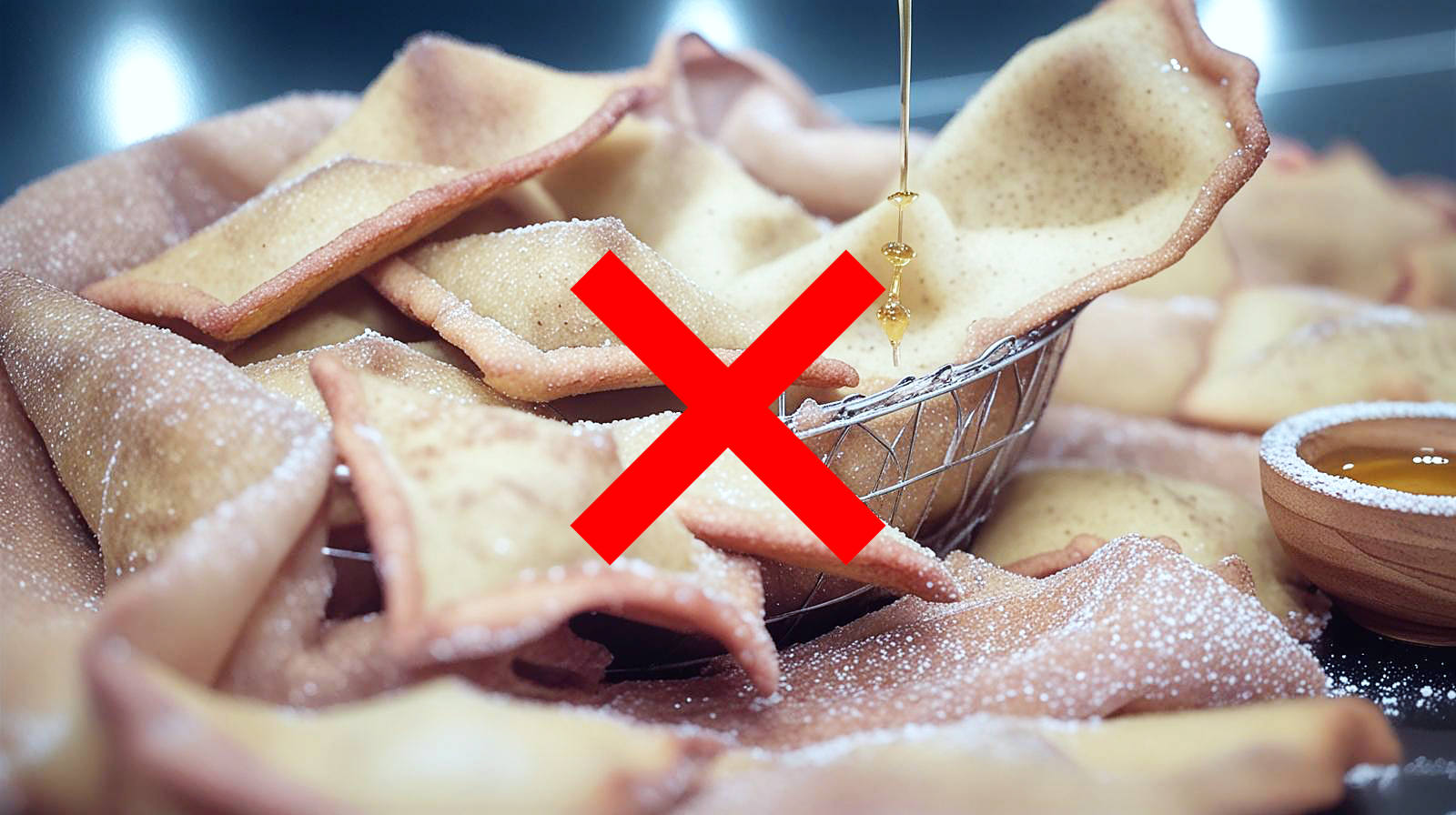
- Realistically: No. Without the immersion in hot oil, you don’t get the same rapid heat transfer. They tend to come out more like dry biscuits or pita breads. They will puff slightly, but they won’t have that signature blistered, golden shell. For this recipe, deep frying is the only way to get the authentic result.
Conclusion
The sopapilla is a marvel of culinary engineering. It takes the humblest of ingredients—flour, water, fat—and through the alchemy of heat, turns them into clouds of golden joy.
While they may have been born in the deserts of New Mexico, they are perfectly at home in a British kitchen. They are cheaper than a takeaway, faster than a cake, and more impressive than a slice of toast.
So, this weekend, put the kettle on, get the oil hot, and introduce your family to the magic of the tear, the drizzle, and the puff. Just don’t blame us if you never want a supermarket doughnut again.
Further Reading & Resources
- New Mexico History Museum – For a deeper dive into the cultural history of the region where sopapillas became legendary.
- Serious Eats: The Science of Frying – An excellent technical resource if you want to geek out on oil temperatures and batter mechanics.
- BBC Food: Doughnut Recipes – While different, comparing techniques with British doughnuts can help refine your frying skills.
- Visit Albuquerque: Food & Drink – The official guide to the city often considered the capital of the sopapilla.
Subscribe for more
Get the latest posts delivered monthly so you never miss an article. Sign up below: