
Imagine a place where the earth itself seems split in two. On one side, you have wild, brooding moors that look like they’ve been pulled straight out of Wuthering Heights. On the other, you’ll find gentle, green valleys, sparkling rivers, and dry-stone walls that go on for miles.
This isn’t a fantasy land; it’s the Peak District, the “lungs of England” and the UK’s very first National Park.
Whether you’re a history buff, a serious hiker, or just someone who enjoys a really good cake, this slice of the country has something for you. Here’s everything you need to know about exploring this incredible landscape.
Please note: The content below may contain affiliate links. If you make a purchase through these links, we could earn a commission, at no additional cost to you.
A Tale of Two Peaks: The Geography
To understand the Peak District, you have to understand it’s actually two very different worlds sitting right next to each other. It all comes down to the rocks beneath your feet.
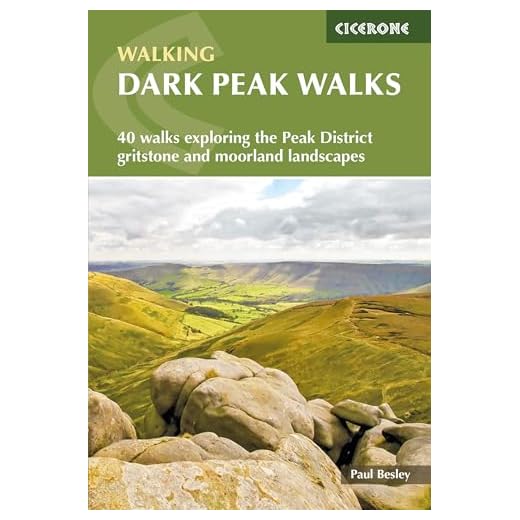

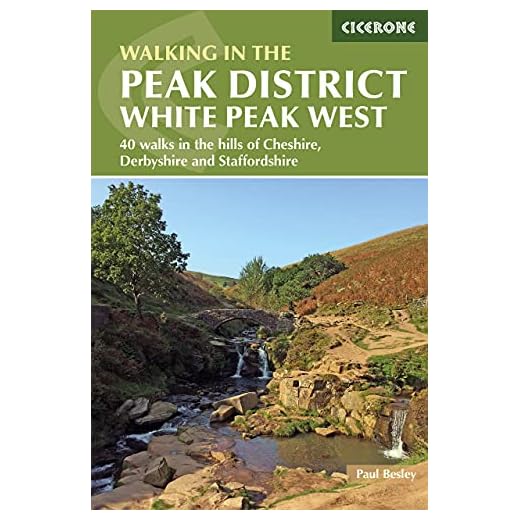
The Dark Peak
If you head north, you enter the Dark Peak. It sounds a bit ominous, doesn’t it? This area is famous for its gritstone – a coarse, hard sandstone that creates dramatic, jagged edges and vast, windswept plateaus. The soil here is peaty and acidic, which means trees struggle to grow, leaving the land covered in purple heather and boggy moss. It’s wild, untamed, and feels gloriously remote. This is where you go for adventure, to climb the famous edges or hike across the high moors.
The White Peak
Travel south, and the scenery changes completely. This is the White Peak, named after the limestone that lies beneath the surface. Millions of years ago, this area was a tropical sea, teeming with coral reefs. Today, that history is written in the grey-white dry-stone walls and the steep, wooded dales (valleys). The soil here is alkaline and fertile, leading to lush green fields, wildflowers, and crystal-clear rivers like the Wye and the Dove. It’s softer, prettier, and dotted with picture-perfect villages.
A Landscape Carved by Rebels and Industry

The area might look completely natural, but human hands have been shaping it for thousands of years. From ancient stone circles to the factories that changed the world, this park is a living history book.
The Stonehenge of the North
Long before tourists arrived, ancient Britons were busy here. Arbor Low is the most impressive prehistoric site in the area. It’s a Neolithic henge (a circular earthwork) with a circle of around 50 large limestone slabs. Unlike Stonehenge, the stones are lying flat – though nobody is quite sure if they fell over or were built that way. Standing in the centre on a windy day, you can almost feel the ancient ceremonies that took place here 4,000 years ago.
The Industrial Revolution
You might think of factories as big, smoky city buildings, but the Industrial Revolution actually started right here in the quiet river valleys. In the 18th century, a man named Sir Richard Arkwright built the world’s first water-powered cotton mill at Cromford. He used the fast-flowing rivers to power his machines, changing how we make clothes forever. These mills are now a UNESCO World Heritage Site, meaning they are just as important globally as the Pyramids of Giza.
The Right to Roam
Perhaps the most important event in the Peak District’s history happened on a Sunday in 1932. Back then, the finest moors were owned by wealthy aristocrats and kept strictly for grouse shooting. Ordinary working people from growing cities like Manchester and Sheffield were banned from walking there.
Fed up with the “Get Off My Land” signs, a young man named Benny Rothman led hundreds of ramblers on a Mass Trespass up Kinder Scout, the highest point in the Peaks. They scuffled with gamekeepers and some were sent to prison, but their protest sparked a movement. It eventually led to the creation of National Parks in 1951, giving us the “Right to Roam” we enjoy today.
Every time you lace up your boots and walk freely on a hill, you have them to thank.
Village Life and Stately Piles
It’s not just about rocks and hills. The Peak District is home to some of Britain’s most charming villages and grandest houses.
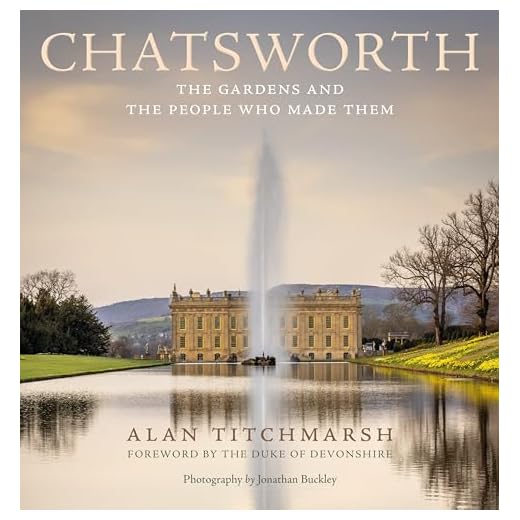

The Jewel of the Peak: Chatsworth House
You can’t talk about the Peak District without mentioning Chatsworth. It is the ancestral home of the Duke and Duchess of Devonshire and is arguably the finest stately home in Britain. Even if you don’t go inside to see the priceless art, the garden is a wonder. It has a gravity-fed fountain that shoots water nearly 300 feet into the air—higher than the house itself! It’s famously used as “Pemberley” in the Pride and Prejudice film, so you can pretend to be Mr. Darcy or Elizabeth Bennet as you stroll around the grounds.
The Plague Village: Eyam
For a darker but inspiring story, visit Eyam (pronounced ‘Eem’). In 1665, a tailor in the village received a bundle of cloth from London. Sadly, the cloth was damp and infested with fleas carrying the Great Plague. Villagers started dying.
Instead of fleeing and spreading the disease to nearby Sheffield and Bakewell, the villagers did something heroic. Led by their vicar, they quarantined themselves. They drew a cordon around the village and swore not to cross it. For 14 months, no one left. By the time the plague burned out, 260 of the 350 residents were dead, but they had saved thousands of lives in the surrounding area. You can still see the “Boundary Stone” where neighbouring villages left food and money soaked in vinegar for disinfection.
The Shivering Mountain: Castleton
The village of Castleton is a hub for visitors, sitting right at the boundary of the Dark and White Peaks. It’s famous for Mam Tor, known as the “Shivering Mountain” because its layers of shale and gritstone are unstable, leading to frequent landslides. The road beneath it actually collapsed and is now known as the “Broken Road” – a great spot for a walk.
Castleton is also the only place in the world where you can find Blue John, a rare, semi-precious mineral. It’s a beautiful form of fluorite with bands of purple and yellow (from the French bleu-jaune). You can visit the caves to see it being mined or buy jewellery made from it in the village shops.
The Great Outdoors: What to Do

The Peak District is the UK’s outdoor playground. Here’s how to get stuck in.
Hiking for Everyone
- For the Brave: Tackle Kinder Scout. It’s a challenging hike across the peat moors, featuring strange rock formations and a waterfall (Kinder Downfall) that often blows upwards when it’s windy.
- For the Views: Walk along Stanage Edge. This four-mile gritstone cliff offers incredible views over the Hope Valley. It’s popular with rock climbers, so you can watch them clinging to the rock face while you enjoy your sandwich.
- For a Stroll: Try the Dovedale Stepping Stones. It’s a flat, easy walk through a limestone valley. Hopping across the stones is a rite of passage for British children, though it can get busy on sunny weekends!
On Your Bike: The Monsal Trail
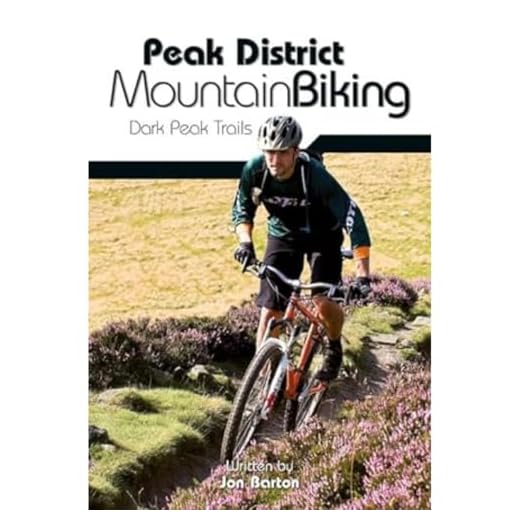
If you prefer two wheels, the Monsal Trail is unmissable. It’s an old railway line that closed in the 1960s. The track has been removed and replaced with a flat, smooth path that runs for 8.5 miles. The best bit? You get to cycle (or walk) through the old railway tunnels. They are lit up, around 400 metres long, and echo brilliantly. You also cross the Headstone Viaduct, which gives you a cracking view of the river far below.


Going Underground
With all that limestone in the White Peak, the ground is like a Swiss cheese. There are massive caverns to explore, especially around Castleton. Peak Cavern has the largest natural cave entrance in Britain and was historically known as the “Devil’s Arse” (yes, really!). Speedwell Cavern is unique because you travel through it by boat along an underground canal.
A Feast for the Senses: Food and Drink
British food gets a bad reputation, but the Peak District proves the critics wrong.
The Great Pudding Debate
Head to the town of Bakewell and you’ll find yourself in the middle of a sweet controversy. You probably know the “Bakewell Tart” – shortcrust pastry, jam, sponge, and icing with a cherry on top.
However, the locals will tell you that’s an impostor. The real deal is the Bakewell Pudding. It was supposedly invented by accident in the 1800s when a cook at the White Horse Inn misunderstood instructions and poured the egg and almond mixture on top of the jam instead of into the pastry. The result is a flaky pastry base with a soft, gooey, almondy centre. It’s delicious, messy, and best eaten warm with custard.
The Derbyshire Oatcake
Forget the dry, crumbly biscuits you put cheese on. A Derbyshire Oatcake is a soft, savoury pancake made from oatmeal, flour, and yeast. It’s usually eaten for breakfast, fried up with bacon, cheese, or eggs. It’s proper comfort food – hearty, filling, and cheap.
Unique Traditions: Well Dressing

If you visit between May and September, you might stumble upon a village decorated with stunning, colourful pictures. This isn’t graffiti; it’s Well Dressing.
This tradition is unique to the Peak District and dates back to pagan times (or perhaps the Black Death), as a way of giving thanks for pure water. Villagers take large wooden frames filled with wet clay and create intricate pictures using only natural materials. They use flower petals, berries, moss, seeds, and even eggshells. The pictures only last about a week before the flowers fade and the clay cracks, so catching one feels like a special privilege. Tissington is the most famous village for this, but you’ll see it across the region.
Practical Guide: Planning Your Trip
Getting There
You don’t need a car to enjoy the Peaks. In fact, the train ride from Manchester to Sheffield (the Hope Valley Line) is one of the most scenic in the country. It stops at key villages like Edale (for Kinder Scout) and Hathersage (for Stanage Edge). There are also good bus links, like the TransPeak, which cuts right through the park.
When to Go
- Summer (June-August): Best weather, purple heather on the moors, but very busy.
- Autumn (September-October): Beautiful golden colours in the wooded valleys and quieter paths.
- Winter: Snow transforms the landscape into a wonderland, but be warned – the roads over the high passes (like Snake Pass) often close, and the moors can be dangerous for inexperienced walkers.
Stay Safe
The weather here changes fast. It might be sunny in the car park, but up on the Bleaklow moors, it can be foggy and freezing. Always take a map (don’t rely on your phone battery), wear layers, and tell someone where you’re going.
The Future: A Delicate Balance
The Peak District is beautiful, but it’s fragile. It faces a modern challenge: how to balance the millions of visitors who come to enjoy it with the need to protect nature.
Climate change is a big worry, especially for the peat bogs in the Dark Peak. These bogs are vital carbon sinks – they trap carbon dioxide and stop it from heating up the planet. Work is underway to replant moss and keep the moors wet (“rewetting”). There’s also a big debate about farming. Some want to “rewild” the park—letting trees grow back and bringing back lost species, while farmers argue that sheep farming is part of the region’s heritage.
When you visit, stick to the paths, take your litter home, and keep dogs on leads to protect ground-nesting birds like the curlew. By treading lightly, you ensure this ancient, wild, and wonderful heart of England keeps beating for generations to come.
Further Reading Resources
For readers looking to dive deeper into the history, conservation, and specific routes of the Peak District, these authoritative sources are essential.
- Peak District National Park Authority
- Website: www.peakdistrict.gov.uk
- Why visit: The official governing body. Best for current alerts, conservation news, and definitive “Right to Roam” maps.
- Visit Peak District & Derbyshire
- Website: www.visitpeakdistrict.com
- Why visit: The official tourist board. Excellent for finding accommodation, festival dates, and family-friendly itinerary ideas.
- National Trust – Peak District
- Website: www.nationaltrust.org.uk
- Why visit: Detailed guides for visiting Kinder Scout, Mam Tor, and Longshaw. Includes membership details for free parking at key sites.
- English Heritage
- Website: www.english-heritage.org.uk
- Why visit: Essential for historical context on sites like Arbor Low and Peveril Castle.
- The Chatsworth Estate
- Website: www.chatsworth.org
- Why visit: Official ticketing and event information for the “Palace of the Peak,” including garden tours and exhibitions.
Subscribe for more
Get the latest posts delivered monthly so you never miss an article. Sign up below: