7 Overlooked Benefits of Nature Preservation for a Healthier Planet
Nature preservation isn’t just about pretty views. Uncover the 7 critical ways nature protects our wallet, health, and society in this comprehensive guide.
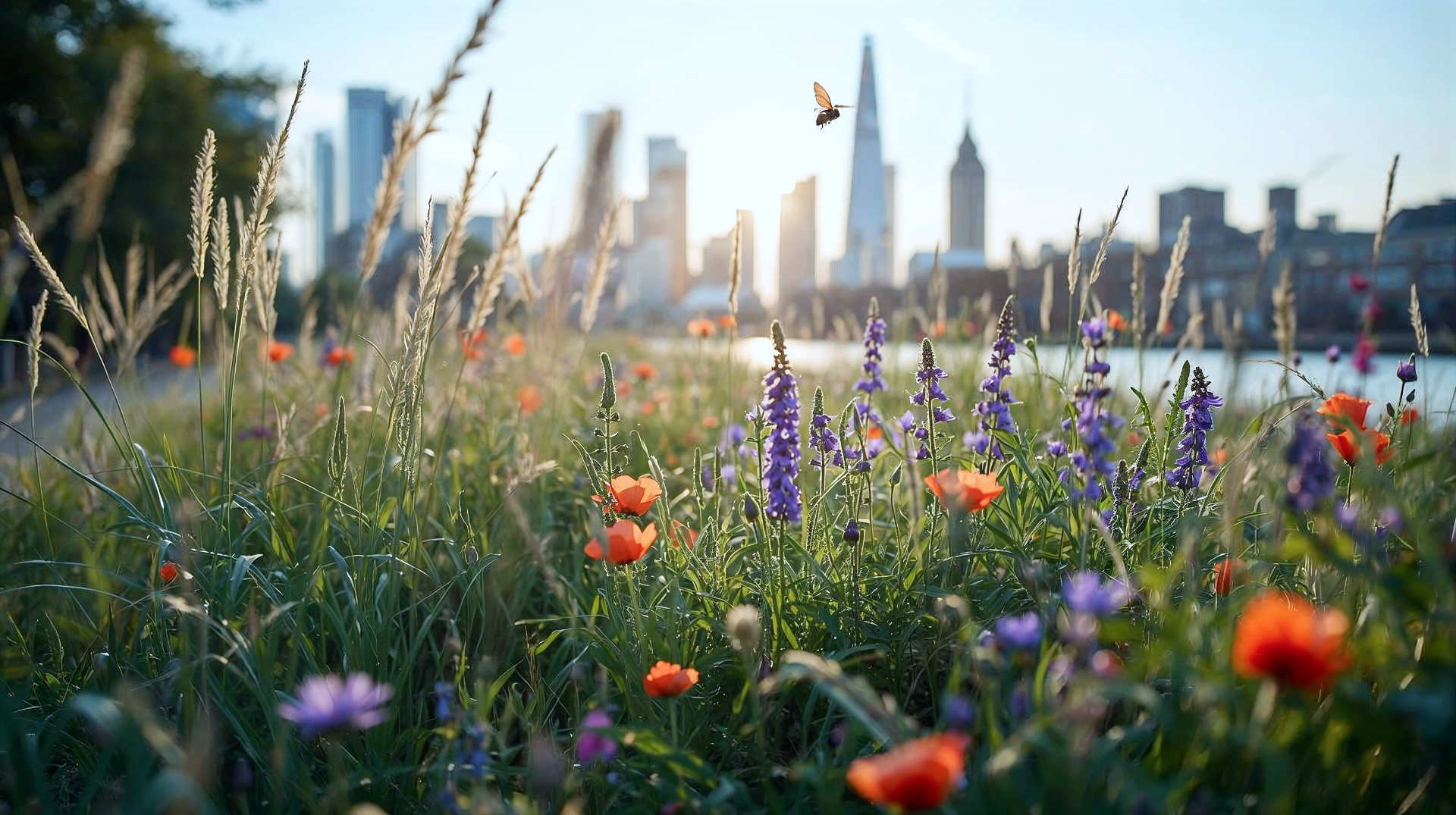
When we think of nature preservation in the UK, our minds often drift to the picture-postcard images: the rolling purple heather of the Scottish Highlands, the stark beauty of the White Cliffs of Dover, or perhaps the plight of a lonely polar bear on a melting ice cap thousands of miles away. We tend to view nature as something “over there” – a pretty backdrop to our lives, or a charity case that needs our help.
But here’s the truth that often gets lost in the noise: Nature doesn’t just need us; we desperately need nature.
Preservation isn’t just about being kind to animals or keeping the countryside tidy. It’s the fundamental machinery that keeps our society running. It’s our mental health service, our flood defence system, our pharmacy, and our economic safety net, all rolled into one.
In this deep dive, we’re going to look past the obvious and explore seven overlooked benefits of nature preservation. We’ll uncover how looking after the green bits of our map actually saves us money, protects our health, and might just be the key to a happier society.
Please note: The content below may contain affiliate links. If you make a purchase through these links, we could earn a commission, at no additional cost to you.
1. The Green Prescription: Mental Health’s Secret Weapon
We all know the feeling of relief when we step out of a crowded Tube station or a busy office and into a park. Your shoulders drop an inch. You breathe a bit deeper. For years, we thought this was just “getting some fresh air.” Now, science tells us it’s much more than that.
The Science of “Soft Fascination”
Our brains are constantly bombarded. Traffic lights, emails, adverts, smartphones – it requires what psychologists call “directed attention.” Eventually, this leads to attention fatigue. We get cranky, forgetful, and stressed.
Nature offers an antidote called “soft fascination.” Watching leaves rustle in the wind or clouds drift over the Lake District doesn’t demand effort. It allows the brain’s attention circuits to recharge. It’s like plugging your phone into a rapid charger, but for your mind.
The NHS and “Green Social Prescribing”
This isn’t hippie philosophy; it’s becoming British medical policy. The NHS has begun exploring Green Social Prescribing. Instead of just handing out antidepressants, GPs in places like Derbyshire and South Yorkshire are prescribing time in nature. This includes community gardening, conservation volunteering, or organised walks.
The Wildlife Trusts in the UK run a challenge called “30 Days Wild.” Studies analysing the participants found that doing something “wild” every day for a month increased happiness, health, and connection to nature. Crucially, these benefits lasted for months after the challenge ended. It turns out, a daily dose of nature is potent medicine.
Wildlife Trusts Case Study: The 30 Days Wild Challenge

2. The Economic Engine: Natural Capital and Your Wallet
There’s a dusty old idea that we have to choose between the economy and the environment. “We can’t save the newts if we want to build the bypass,” the argument goes. But modern economics is proving this wrong.
Nature’s Free Labour
Economists have started using a term called “Ecosystem Services.” Think of nature as a massive company that provides services for free.
- Pollination: Bees and hoverflies pollinate our crops. Without them, British favourites like strawberries, apples, and rapeseed would fail. To do this by hand would cost billions.
- Water Filtration: Peatlands, like those in the Pennines, filter our drinking water. When we damage them, water companies have to build expensive treatment plants – costs that end up on your water bill.
The Dasgupta Review
In 2021, the UK Treasury commissioned a landmark report called the Dasgupta Review. It pointed out that our economies are “embedded” in nature, not external to it. It argued that destroying nature is like an asset manager destroying their client’s portfolio. It’s bad business.
Consider the UK’s struggle with flooding. We can spend millions pouring concrete to build higher walls. Or, we can preserve wetlands and reintroduce beavers (which is happening in places like Cornwall and Scotland). Beaver dams slow the river flow naturally, holding water back during heavy rains. It’s a cheaper, self-repairing flood defence system that doesn’t look like an ugly concrete scar.
Gov.uk Case Study: The Cost of Flooding


3. The Biological Shield: Disease Prevention
In the last few years, the world has learned a hard lesson about pandemics. But what does a nature reserve in Suffolk have to do with preventing the next global virus? Surprisingly, quite a lot.
The Dilution Effect
Most new infectious diseases are zoonotic, meaning they jump from animals to humans. You might think that having more nature and more animals would increase the risk. Actually, it’s usually the opposite.
When we destroy habitats, we leave behind a few hardy species – often rats, bats, or mosquitoes – that are good at carrying disease. When we preserve a rich, diverse ecosystem with predators and competitors, these disease-carrying populations are kept in check. This is called the “Dilution Effect.” A healthy, complex forest acts like a buffer zone, keeping pathogens circulating among wildlife rather than spilling over into human towns.
Keeping the Balance
In the UK, preserving the balance of predators (like owls and stoats) keeps rodent populations down naturally. Without them, we rely on poisons, which enter the food chain, or we suffer the hygiene risks of pest infestations. Nature is the ultimate pest controller.
4. The Urban Air Conditioner: Cooling Our Cities
Britain is famous for complaining about the rain, but our summers are getting hotter. In July 2022, temperatures smashed records, hitting 40°C. In concrete jungles like London, Manchester, and Birmingham, it felt even hotter.
The Heat Island Effect
Cities trap heat. Concrete, tarmac, and brick absorb the sun all day and radiate it out at night. This is the Urban Heat Island effect. It makes sleeping difficult and can be dangerous for the elderly and vulnerable.
Trees as Nature’s AC
Nature preservation isn’t just for the countryside; it’s vital for the city.
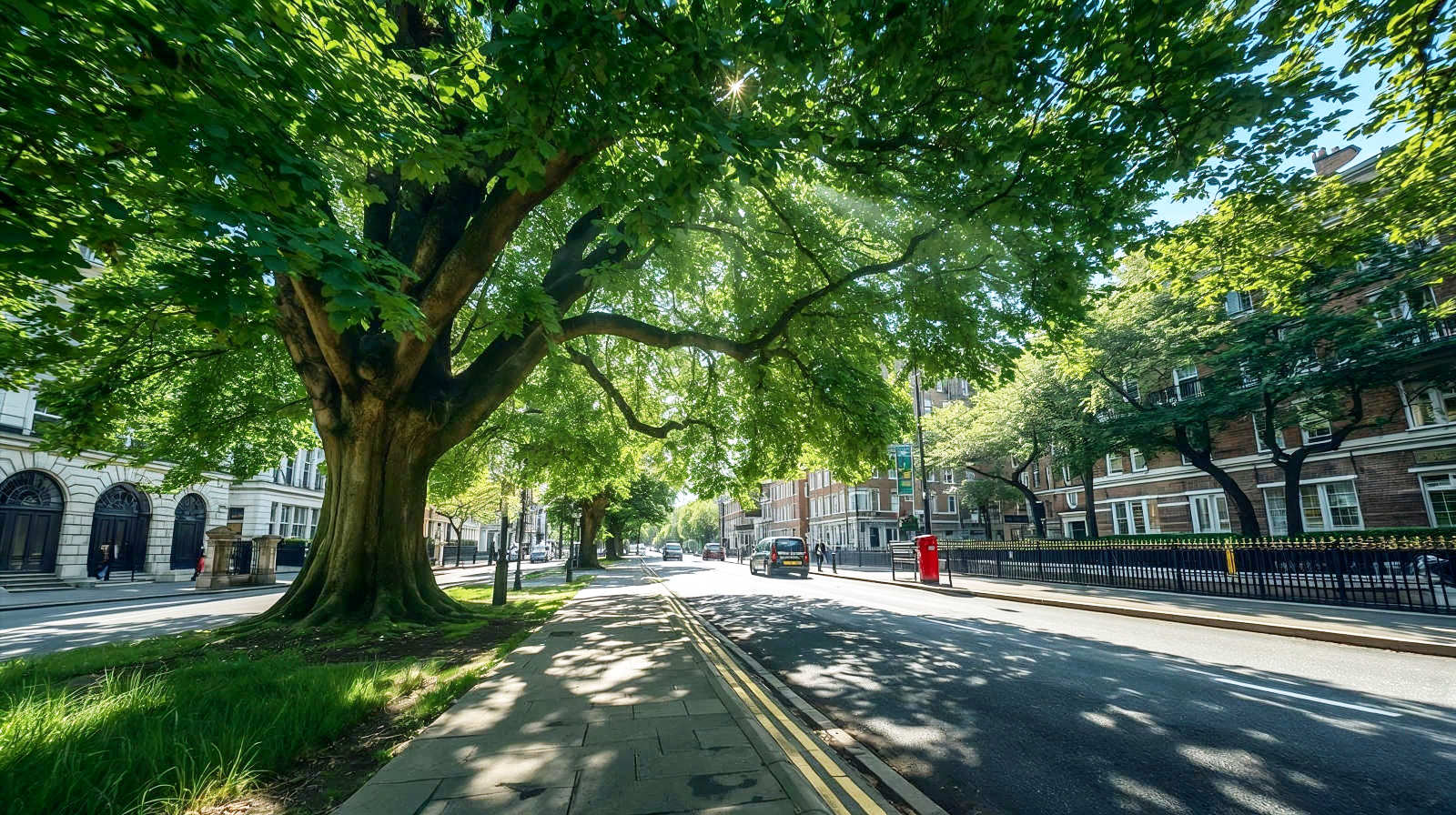
- Shade: A large oak or London Plane tree stops the sun from hitting the pavement in the first place.
- Evapotranspiration: This is a fancy word for “tree sweating.” Trees release water vapour through their leaves. As this water evaporates, it cools the air around it, just like sweating cools your skin.
Green Walls and Roofs
New developments in cities are starting to embrace “living walls” (vertical gardens) and green roofs. These act as insulation, keeping buildings cool in summer and warm in winter, cutting energy bills and carbon emissions simultaneously.
5. The Underground Architects: Soil Health and Food Security
We often treat soil like dirt – something to wipe off our boots. But soil is a living, breathing ecosystem. A single teaspoon of healthy soil contains more microorganisms than there are people on Earth.
The Danger of Sterile Soil
Modern industrial farming has often treated soil as just a sponge to hold chemical fertilisers. But without the biological preservation of worms, fungi, and bacteria, soil turns to dust. It washes away in the rain (causing river pollution) or blows away in the wind.
The Mycorrhizal Network
Preserving soil biodiversity protects the mycorrhizal network – tiny fungal threads that connect plant roots. These fungi help plants absorb nutrients and water. In the UK, farmers moving towards “Regenerative Agriculture” are focusing on preserving this underground world.
Why does this matter to you? Because nutrient-rich soil grows nutrient-rich food. If we kill the soil, our vegetables might look the same, but they will lack the vitamins and minerals we need. Preserving the “underground nature” ensures we can keep feeding Britain.
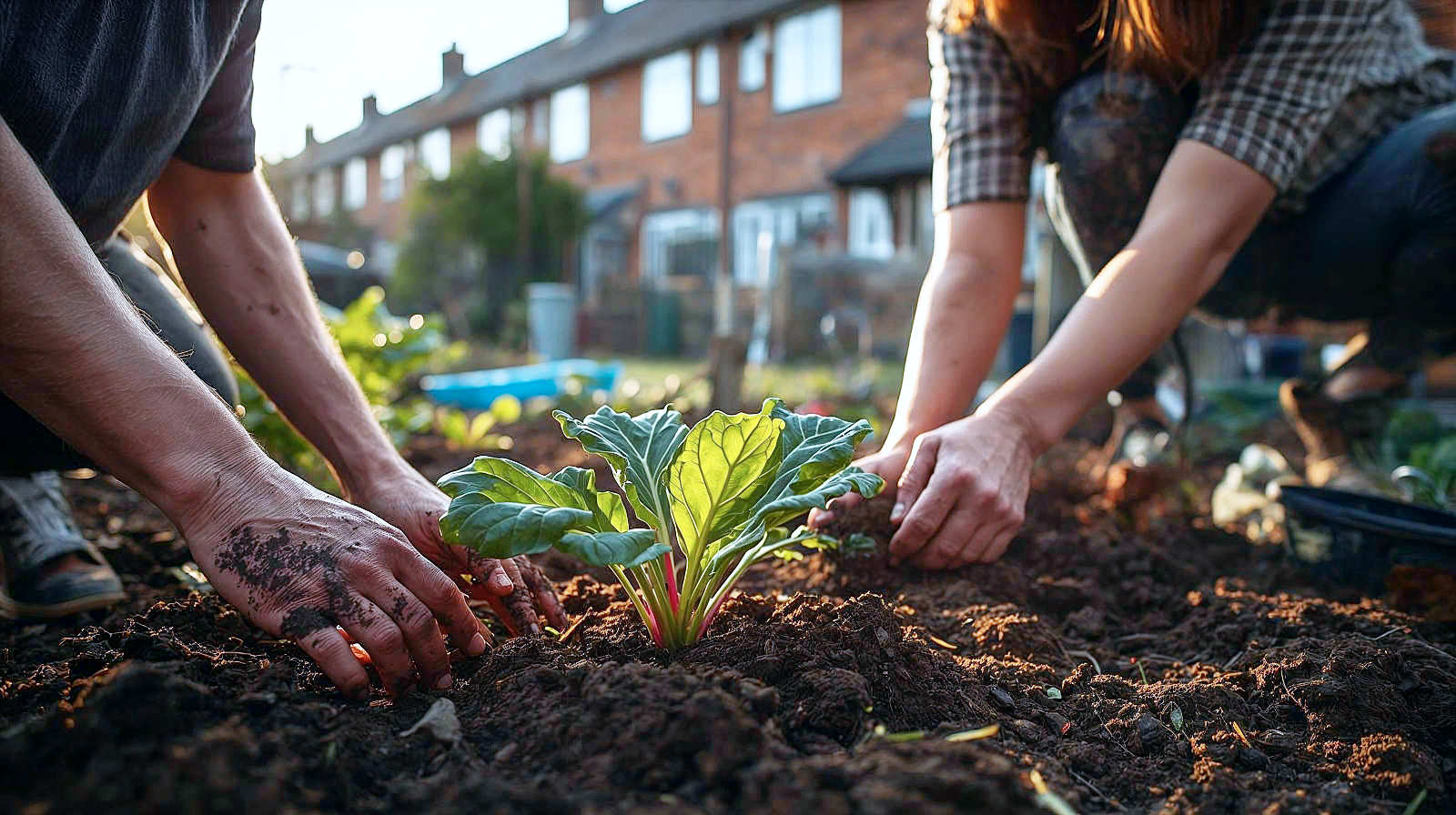
6. The Social Glue: Community and Crime Reduction
Can a park stop a crime? It sounds far-fetched, but there’s compelling evidence linking green spaces to safer communities.
The Broken Windows Theory… Reversed
You might have heard of the “Broken Windows Theory” – that signs of neglect (like broken windows) encourage more crime. Green spaces work the other way. Well-maintained parks and community allotments signal that a community cares.
Allotments: A British Tradition
The humble British allotment is a prime example. These aren’t just places to grow wonky carrots; they’re social hubs. They bring together people of different ages, backgrounds, and classes who might never otherwise speak.
Reducing Aggression
Studies suggest that living near green spaces reduces mental fatigue (as mentioned in point #1), which in turn lowers irritability and aggression. In simpler terms, people are nicer when they have trees around. Access to green space has been linked to lower rates of violent crime and anti-social behaviour in urban housing estates.


![The Sixth Extinction: An Unnatural History: Written by Elizabeth Kolbert, 2014 Edition, (Export/Airside ed) Publisher: Bloomsbury Publishing PLC [Paperback]](https://m.media-amazon.com/images/I/51Xchn-cxhL._SS500_.jpg)
7. The Living Library: Medical Discovery
If you’ve ever had a headache and taken an aspirin, you have nature to thank (the active ingredient was originally found in willow bark). If you’ve ever known someone treated for cancer with Taxol, you can thank the yew tree.
The Unread Books
Nature is like a massive library of biological solutions that have been evolving for millions of years. Every time a species goes extinct, we are burning a book before we have even read the title.
- Antibiotics of the Future: We’re running out of effective antibiotics. Scientists are currently looking at everything from deep-sea sponges to British soil bacteria to find the next generation of life-saving drugs.
- Biomimicry: Engineers study nature to solve problems. The shape of the Kingfisher’s beak inspired the nose of the Shinkansen bullet train to make it quieter. Who knows what engineering secrets are hidden in the wings of a British moth or the structure of a spider’s web?
Preserving nature is essentially preserving a research and development lab that we could never afford to build ourselves.
Conclusion: A Shift in Perspective
For too long, we’ve viewed nature preservation as a luxury – something we do when we have spare cash and spare time. But when you look at the evidence, the reality is starkly different.
Nature is the engine of our economy, the guardian of our health, the protector of our homes against floods, and the glue that holds our communities together. From the microscopic fungi in the soil to the ancient oaks in our parks, every layer of the natural world provides a service we cannot easily replace.
So, the next time you see a local campaign to save a woodland, or you spot a “wild patch” in your local park where the grass has been left long for the bees, remember: this isn’t just about saving nature. It’s about saving us.
Further Reading and Resources
If you are interested in digging deeper into the science and economics of nature preservation, here are some highly respected resources:
- The Dasgupta Review: The UK Government’s comprehensive report on the economics of biodiversity.
- The Wildlife Trusts: Find your local nature reserve and learn about the “30 Days Wild” challenge.
- Mind.org.uk – Nature and Mental Health: Excellent information on how nature supports mental wellbeing.
- Royal Horticultural Society (RHS) – Greening Grey Britain: Practical tips on how gardening helps the environment.
Subscribe for more
Get the latest posts delivered monthly so you never miss an article. Sign up below: